Senate Bill Would Make Federal Project Approvals Permanent Unless Legally Justified
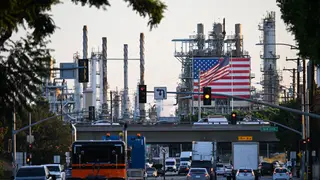
The Bipartisan American Affordability and Jobs Act (BAAJA) aims to make federal approvals for fossil fuel, wind, and solar projects much harder to reverse. Section 1401 of the bill restricts agencies from revoking permits except in cases of fraud, court orders, or immediate environmental threats. Critics argue the law could entrench fossil fuel infrastructure, while supporters say it ensures long-term project stability.
On November 17, 2026, the U.S. Senate advanced debate on the Bipartisan American Affordability and Jobs Act (BAAJA), a sweeping permitting reform bill that would make federal project approvals—including for fossil fuel, wind, and solar projects—nearly permanent unless revoked under narrow conditions. Section 1401 of the bill restricts federal agencies from revoking permits except in cases of fraud, court order, or immediate environmental or health threats. This provision applies retroactively to any permit in effect on or after November 6, 2026, meaning existing projects—such as the five offshore wind projects halted by the Trump administration in 2025—could be shielded from reversal. The bill’s passage follows a 73-25 vote to open debate and a 70-27 vote to cut off debate, setting up a final vote in the coming week. While the bill’s transmission line provisions—designed to override state inaction and accelerate grid development—are widely praised, Section 1401 has drawn sharp criticism for entrenching the current administration’s permitting choices. Sen. Martin Heinrich (D-N.M.) argues the law will stabilize long-term clean energy projects, while Earthjustice President Abigail Dillen warns it could lock in fossil fuel infrastructure. The climate impact remains uncertain, as leading models like Rhodium Group’s omit the clause due to its unpredictable timing and political implications. The outcome hinges on what gets approved before January 2029, with Democrats divided over whether to amend the bill now or wait for a new Congress. The House, where Minority Leader Hakeem Jeffries seeks changes, may alter the final form.
BAAJA’s Section 1401 could significantly alter the political and economic landscape of energy infrastructure by making federal approvals functionally irreversible. This shift may empower industries aligned with the current administration to rush to secure permits before a potential policy reversal, especially if fossil fuel projects are prioritized. The long-term impact on climate goals remains uncertain, as the bill’s effect depends on the timing and type of projects approved in the next two years. If clean energy projects dominate, the law could accelerate the energy transition; if fossil fuel projects prevail, it may entrench carbon-intensive infrastructure for decades. A comparable precedent is the 2005 Energy Policy Act, which streamlined approvals for oil and gas but faced long-term environmental backlash. Here, the stakes are higher due to the bill’s bipartisan backing and the looming transition of power. The outcome may depend on whether the next administration can override the law through executive action or court challenges. What to watch for is the pace of final approvals in the coming months and how environmental groups, industry players, and future policymakers respond.