U.S. data center costs up 13% in 2026, outpacing global trends
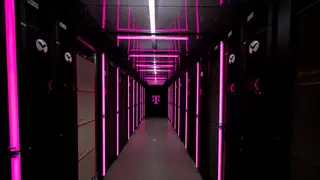
U.S. data center construction costs rose 13% in 2026, surpassing the global average, according to Turner & Townsend. AI-ready facilities now cost about 10% more to build than traditional ones due to higher power, cooling, and infrastructure demands. The surge reflects growing investment in AI infrastructure despite rising expenses.
In 2026, U.S. data center construction costs increased by 13%, according to Turner & Townsend, marking a rise that outpaced global averages. This surge is attributed to the growing demand for AI-ready facilities, which now cost approximately 10% more to build than traditional data centers due to heightened requirements for power, cooling, and specialized infrastructure. The data reflects a broader trend of escalating investment in artificial intelligence infrastructure, even as construction expenses climb. The U.S. market’s divergence from global trends underscores the nation’s leadership in AI development and the corresponding strain on physical infrastructure.
The rise in costs is not isolated but stems from strategic corporate decisions to prioritize AI-capable facilities, driven by the need for high-performance computing and real-time data processing. Companies investing in AI are willing to absorb higher upfront construction costs to secure competitive advantages in machine learning, cloud services, and data analytics. Turner & Townsend’s report highlights how these investments are reshaping the data center landscape, with facilities now designed to support power densities and cooling systems far beyond those of earlier generations.
The primary actors include technology firms, cloud providers, and real estate developers focused on building next-generation data centers. These organizations aim to meet the growing demand for AI processing while maintaining reliability and scalability. However, the financial burden of such projects may limit access for smaller firms or startups, potentially consolidating market power among larger players.
What remains unclear is how long this cost escalation will persist and whether technological innovations in energy efficiency or modular construction will mitigate future increases. Additionally, it is not yet known how regulatory or environmental policies may influence future development, particularly regarding power sourcing and emissions.
The 13% rise in U.S. data center costs signals a structural shift in infrastructure investment, with implications for digital equity and economic competitiveness. As AI becomes central to business operations, the high cost of building AI-ready facilities may widen the gap between large corporations and smaller innovators, potentially stifling competition. This could affect consumers through reduced innovation in services and higher prices for cloud-based offerings. The trend echoes the early 2000s dot-com boom, when rapid investment in internet infrastructure created both opportunities and bubbles. Today’s AI infrastructure boom may similarly fuel innovation, but with the added risk of overcapacity if demand does not keep pace. Markets for semiconductor manufacturing, renewable energy, and construction could see ripple effects, as companies seek sustainable power sources and scalable designs. What to watch for includes whether energy efficiency breakthroughs or government incentives will ease the financial strain. The long-term impact on cloud pricing, startup viability, and global tech leadership remains uncertain.