Trump Warns Musk After Billionaire Declares He’s Not MAGA
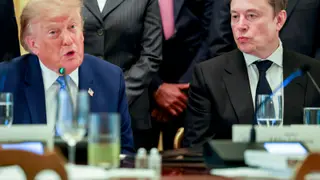
Donald Trump issued a veiled threat against Elon Musk after Musk publicly stated he is not part of the MAGA movement, despite spending nearly half a billion dollars on Republican candidates during the midterm elections. Musk expressed regret over his spending, citing a desire for political balance, and criticized the lack of return on investment. The remarks mark a significant rift between the two figures, who once had a close alliance during Trump’s first term.
On November 20, 2026, Donald Trump delivered a pointed warning to Elon Musk during an interview with NBC News, suggesting that individuals who “veer” from the MAGA movement face poor outcomes. This came shortly after Musk, speaking at The New York Times’ DealBook Summit from China, publicly stated he is “not MAGA,” distancing himself from the movement despite having spent nearly half a billion dollars on Republican candidates and conservative groups during the midterm elections. Musk cited regret over the expenditure, noting he felt “foolish” for investing so heavily without seeing a proportional return, and emphasized his desire for political balance, stating he would have spent less money if given the chance. His comments were made during a trip to the Asia-Pacific Economic Cooperation summit, where he was part of Trump’s official delegation, underscoring the irony of his public distancing while still traveling with the president. The rift marks a dramatic reversal from the close alliance during Trump’s first term, when Musk held special government employee status and wielded significant influence over federal operations, leading to public speculation about who was truly in charge. Trump, while calling Musk a “friend” and acknowledging his “good intentions,” insisted MAGA represents a specific ideological commitment, implying that deviation carries consequences. The situation remains unresolved, with no indication of whether Musk will continue to support Republican candidates or if Trump will seek to reassert influence over him.
The evolving tension between Trump and Musk could signal a broader shift in the dynamics of political funding and influence, particularly as billionaire donors increasingly shape electoral outcomes. Musk’s public retreat from MAGA may reflect a growing unease among tech and finance elites about the long-term stability of the Republican Party’s direction, especially after the midterms failed to deliver expected returns on investment. This could discourage future high-profile donations to conservative causes, potentially weakening the party’s financial base unless it demonstrates more policy coherence or accountability. Historically, similar fractures—such as the 2016 rift between Trump and some Wall Street figures—led to temporary donor withdrawals but did not derail the movement’s momentum. Still, Musk’s unique position as a global tech leader with deep ties to government infrastructure gives his stance outsized symbolic weight. The situation may prompt other wealthy donors to reassess their political engagement, possibly leading to more cautious or diversified funding strategies. What remains uncertain is whether this marks a temporary setback or the beginning of a broader realignment in how money, power, and ideology intersect in American politics.