Balkan Protests Challenge Political Duopolies Amid Mixed Outcomes
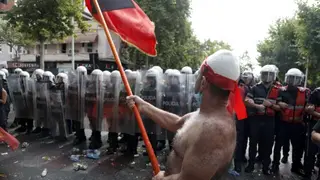
Protests across the Balkans, including in Albania and Serbia, are challenging entrenched political parties, with citizens demanding systemic change beyond mere leadership shifts. In Albania, demonstrators call for the imprisonment of both Prime Minister Edi Rama and opposition leader Sali Berisha, reflecting deep dissatisfaction with the traditional two-party system. Bulgaria’s experience shows that changing leaders does not guarantee reform, underscoring the need for structural change.
In Albania, sustained protests since mid-2026 have intensified ahead of local elections in May 2027, with demonstrators demanding the imprisonment of both Prime Minister Edi Rama and opposition leader Sali Berisha—a rare call that reflects deep public frustration with the entrenched two-party duopoly between the Socialist Party and the Democratic Party. The protests, which have drawn thousands in Tirana and other cities, signal a desire not just for new leadership but for systemic overhaul, echoing similar movements in Serbia. In Serbia, the student-led political offshoot Student List defeated the long-ruling Serbian Progressive Party (SNS) in October 2026 parliamentary elections, triggering a wave of arrests targeting former SNS officials, including senior police officers, mayors, and school administrators, as public prosecutors—long dormant—have reactivated. Meanwhile, Bulgaria, which saw youth-led mobilizations in late 2025 that led to leadership changes in 2026, now faces renewed protests, underscoring that replacing individuals does not equate to institutional reform. The underlying demand across the region is accountability, rule of law, and institutional independence. What remains unresolved is whether these movements can sustain momentum beyond electoral cycles, especially as new governments in Serbia and Albania face the challenge of institutionalizing change without falling back into old patterns. The role of civil society, judicial independence, and EU influence—particularly in light of shifting U.S. policy after Trump’s midterm losses—will be critical in determining whether these protests lead to lasting transformation.
The wave of protests across the Balkans could signal a generational shift in political engagement, particularly among youth and civil society groups demanding systemic accountability. In Serbia, the post-election arrests suggest a potential break from past impunity, but the long-term impact depends on whether these actions are sustained and transparent, rather than politically motivated. Bulgaria’s experience serves as a cautionary parallel: even after leadership changes, entrenched corruption and weak institutions persist, indicating that reform requires more than symbolic gestures. If similar patterns emerge in Albania or North Macedonia—where femicide prevention remains inadequate—these movements may pressure governments to prioritize institutional integrity over partisan survival. The broader regional impact could include increased EU scrutiny and conditionality on reform, especially as Western Balkan countries seek integration. However, the risk remains that reform fatigue sets in, or that new leaders co-opt protest energy for their own consolidation of power. What to watch for next is whether judicial independence and civil society can maintain pressure without state backlash, and whether international actors like the EU will move beyond rhetoric to enforce meaningful change.