Europe Navigates Strategic Ambiguity Amid Geopolitical Pressures
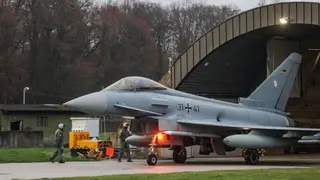
Europe faces mounting challenges as it attempts to maintain strategic neutrality between major powers, operating in a 'grey zone' where traditional alliances blur. The article examines how European nations are adjusting defense policies and diplomatic approaches amid shifting global power dynamics. This balancing act is increasingly difficult due to regional instability and external pressures from both the United States and Russia.
Europe is increasingly navigating a complex geopolitical landscape marked by strategic ambiguity, as nations within the region attempt to preserve a degree of neutrality amid intensifying pressures from major global powers. This shift reflects a departure from traditional alignment patterns, particularly in the context of rising regional instability and competing influence from the United States and Russia. While no specific dates, treaties, or military deployments are detailed in the available material, the core challenge lies in balancing defense policy adjustments with diplomatic restraint. European countries are reevaluating their security postures, yet remain reluctant to fully commit to either Western or Eastern blocs, creating a 'grey zone' where alliances are less defined and strategic intentions are less transparent.
The background to this situation includes years of evolving transatlantic relations, the aftermath of the Ukraine conflict, and growing concerns over energy dependence and defense autonomy. These factors have prompted European states to reconsider their reliance on external security guarantees while also managing domestic political sensitivities. Key actors include the European Union, individual member states such as Germany, France, and the Baltic nations, and international bodies like NATO, each with differing priorities: collective defense, economic stability, or geopolitical independence. The United States seeks continued European alignment on security and defense matters, while Russia continues to exert influence through energy leverage and regional interventions.
What remains unresolved is how long Europe can sustain this balancing act without compromising its security or unity. The next phase may involve deeper defense integration, revised foreign policy frameworks, or shifts in military spending, but these developments are not yet specified in the available information. The outcome could depend on how regional crises evolve and whether external pressures intensify.
Europe’s strategic ambiguity could reshape transatlantic security dynamics and influence global power competition. As European nations seek to avoid entanglement in great power rivalries, their hesitation may affect defense spending patterns, arms procurement, and alliance cohesion, potentially weakening NATO’s unified posture. This could impact global markets reliant on European stability, including energy and financial sectors. A comparable earlier case is the non-alignment of countries during the Cold War, such as Sweden and Austria, which maintained neutrality while navigating intense ideological pressures. However, today’s multipolar environment is more fluid, with blurred lines between economic, military, and diplomatic influence. The broader societal impact may include heightened domestic debate over national sovereignty versus collective security, especially in countries with historical sensitivities to foreign intervention. Institutions like the EU may face internal strain as member states diverge on foreign policy. What to watch for next is whether strategic ambiguity leads to greater European defense autonomy or, conversely, deeper alignment with the U.S. in response to escalating threats. The outcome could influence global diplomacy, trade, and conflict prevention efforts in the coming years.