Global Nuclear Powers Convene Amid Heightened Tensions and Diplomatic Challenges
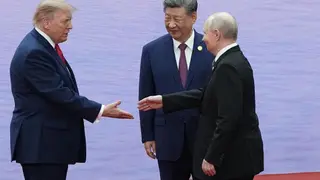
World leaders from nuclear-armed nations are gathering for a high-stakes international summit focused on arms control and strategic stability. The meeting comes amid escalating geopolitical tensions and concerns over nuclear proliferation. Discussions are expected to address disarmament efforts, crisis communication protocols, and the role of emerging technologies in nuclear strategy.
World leaders from nuclear-armed nations have convened for a high-stakes international summit aimed at addressing pressing concerns over arms control and strategic stability. The gathering, held amid escalating geopolitical tensions, marks a critical moment for global diplomacy, as rising instability has intensified fears of miscalculation and nuclear escalation. While the specific location, date, and participating countries are not detailed in the available material, the summit’s focus on disarmament efforts, crisis communication protocols, and the influence of emerging technologies in nuclear strategy underscores the urgency of the moment. These topics reflect growing anxieties about the modernization of nuclear arsenals and the potential for new technologies—such as artificial intelligence or hypersonic weapons—to disrupt long-standing deterrence frameworks.
The backdrop to the summit includes years of stalled arms control agreements, the collapse of key treaties, and increased military posturing in sensitive regions. Prior diplomatic initiatives, such as the New START treaty, have faced challenges, including non-compliance concerns and the absence of new frameworks to govern emerging threats. The current meeting may represent a response to these failures, seeking to reestablish dialogue among the world’s most powerful nuclear states. While the specific goals of individual nations are not outlined, the shared interest in preventing unintended conflict suggests a common desire for stability, even amid strategic competition.
What remains unresolved is the extent to which the summit will produce binding agreements or merely reaffirm existing principles. The outcome could shape future arms control negotiations, influence national defense policies, and affect global public confidence in diplomatic institutions. Whether the discussions will lead to concrete measures on verification, transparency, or arms reduction remains unknown. The next steps—such as follow-up meetings, joint declarations, or new treaties—are not yet specified.
The summit could significantly impact global security by reinforcing the norm of diplomatic engagement among nuclear powers, potentially reducing the risk of escalation in volatile regions. Civilian populations in nuclear-armed states and neighboring countries may benefit from diminished threats of conflict, while international institutions like the United Nations and the International Atomic Energy Agency may see renewed legitimacy. The outcome may also influence defense spending and arms procurement decisions, with potential ripple effects on global defense markets and technology sectors. A comparable precedent is the 1985 Reykjavik Summit between the U.S. and Soviet Union, where high-level talks on arms reduction failed to produce a treaty but laid the groundwork for future agreements. This summit may similarly serve as a catalyst, even if immediate results are limited. What to watch for next includes whether participating nations release joint statements, initiate new verification mechanisms, or commit to regular dialogue. The long-term impact may depend on whether these discussions translate into sustained cooperation, especially amid ongoing regional conflicts and technological innovation.