Data centers disproportionately located in Black and Latino communities, study reveals
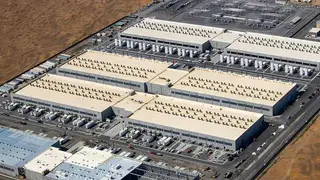
A new study finds that Black and Latino neighborhoods in the United States are significantly more likely to host data centers compared to other areas. The research highlights growing concerns about environmental justice and the unequal distribution of technological infrastructure. These facilities, often associated with high energy use and pollution, may exacerbate existing socioeconomic disparities.
A recent study has revealed that data centers in the United States are disproportionately located in Black and Latino communities, raising concerns about environmental justice and the unequal distribution of technological infrastructure. While the report does not specify exact numbers, locations, or dates, it underscores a pattern in which marginalized neighborhoods bear a greater share of the environmental and social costs associated with large-scale digital infrastructure. These facilities are known for their high energy consumption and potential pollution, factors that may compound existing health and socioeconomic disparities in affected areas. The findings highlight a growing tension between technological advancement and equitable development, particularly as demand for data storage and processing continues to expand.
The background for this trend lies in broader patterns of infrastructure siting that have historically favored low-income and minority communities for industrial and energy-intensive projects. Prior decisions on zoning, utility access, and economic development incentives may have contributed to the concentration of data centers in these areas, often without adequate community consultation. While earlier reports have documented environmental inequities in other sectors—such as waste disposal and power plants—this study marks a shift in focus toward the digital economy’s physical footprint. The research builds on long-standing critiques of environmental racism and systemic inequity in infrastructure planning.
The study does not name specific organizations or individuals involved in the siting decisions, nor does it detail the goals of any particular entity. However, it implies that technology companies, local governments, and utility providers may be key actors whose choices influence where data centers are built. The desire for low land costs, favorable energy rates, and regulatory environments likely drives corporate decisions, while communities may lack the resources to resist such developments. What remains unresolved is whether these patterns are intentional or the result of market forces and policy gaps. Future research and policy action may be needed to assess the long-term health and economic impacts and to establish equitable siting guidelines.
The findings could signal a new frontier in environmental justice, where digital infrastructure becomes a focal point for equity debates. Communities of color, already burdened by disproportionate exposure to pollution and underinvestment, may face additional strain as data centers increase local energy demand and heat output. This may affect public health, particularly in neighborhoods with preexisting vulnerabilities. The broader tech industry, which relies on massive data centers, may face growing scrutiny over its environmental and social footprint, potentially influencing corporate sustainability practices and investor behavior. Comparable to past cases like the siting of toxic waste facilities in minority neighborhoods during the 1980s, this situation reflects how technological progress can replicate historical inequities. If left unaddressed, such patterns may deepen digital divides and erode trust in institutions that govern infrastructure development. What to watch for includes regulatory responses, community-led resistance, and whether federal or state agencies begin to require environmental justice assessments for data center permits. The story may also prompt broader conversations about who benefits from digital growth and who bears its costs.