Evidence suggests eagles preyed on large baboons, possibly threatening early humans
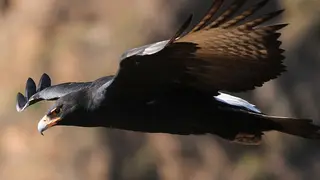
New fossil evidence indicates that large eagles may have hunted 58-pound baboons, suggesting they were capable of preying on early human ancestors. The discovery of bite marks on baboon bones with patterns consistent with eagle attacks supports this theory. This raises the possibility that aerial predators posed a significant threat to hominins in prehistoric Africa.
New fossil evidence from prehistoric Africa reveals bite marks on the bones of 58-pound baboons that match patterns associated with eagle predation, suggesting large eagles may have hunted primates of significant size. These findings, derived from analysis of skeletal remains, indicate that apex avian predators could have targeted animals comparable in weight to early human ancestors. The discovery adds a new dimension to understanding the ecological pressures faced by hominins during the same period, as these large birds may have posed a direct threat to vulnerable individuals, particularly juveniles or isolated adults. While the specific species of eagle remains unidentified, the size and force of the bite marks imply a predator with substantial strength and hunting capability.
The background to this discovery lies in ongoing research into the dangers faced by early hominins in Africa’s savannas and woodlands. Previous studies have focused on terrestrial predators like lions and hyenas, but this evidence shifts attention to aerial threats that could have influenced hominin behavior, such as nesting choices, group cohesion, and vigilance patterns. The findings build on earlier paleontological work that documented predator-prey interactions through fossilized trauma, but this case is notable for implicating birds of prey in the predation of large primates.
No specific researchers or institutions are named in the available material, but such discoveries typically involve teams from universities or research institutes specializing in paleontology or evolutionary biology. These groups likely aim to reconstruct ancient ecosystems and better understand the selective pressures that shaped human evolution.
What remains unresolved is the identity of the eagle species involved, the frequency of such attacks, and whether these predation events significantly influenced hominin survival strategies. Future research may focus on identifying the bird species through further fossil analysis or comparative studies of modern eagle behavior.
The discovery could reshape public understanding of early human environments, emphasizing that threats were not limited to ground-based predators. This may influence educational materials, museum exhibits, and documentaries about human origins, prompting a reevaluation of the dangers faced by our ancestors. The idea that large birds of prey posed a real risk could also affect how scientists interpret hominin behavior, such as the development of group living or the use of elevated shelters. A comparable case is the 2010 discovery of a 3.5-million-year-old Australopithecus fossil with tooth marks from a large carnivore, which sparked debate about predation pressures in early hominin life. That finding similarly shifted focus from purely human-centric narratives to broader ecological contexts. The implications for anthropology and paleoecology are significant, as they may prompt new models of hominin adaptation. However, the broader societal impact remains limited, as the story primarily affects academic discourse rather than policy or markets. What to watch for is whether this evidence leads to expanded studies on avian predation in other fossil sites, or if it influences how prehistoric threats are portrayed in popular media.