UK’s Protium Advances 70 MW Green Hydrogen Project in Teesside
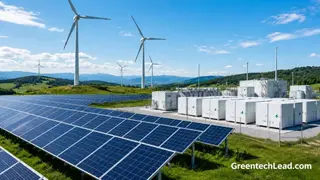
Protium has advanced to the next stage of the UK’s Hydrogen Allocation Round 2 process for its 70 MW green hydrogen project in Teesside, following successful due diligence. The project will produce renewable hydrogen via electrolysis and remains subject to final investment decisions and commercial viability. The milestone marks progress in the competitive funding pathway but does not guarantee subsidy approval.
Protium has advanced to the next stage of the UK’s Hydrogen Allocation Round 2 process for its 70 MW green hydrogen project in South Tees, Teesside, following successful due diligence completed on November 19, 2026. The project aims to produce renewable hydrogen via electrolysis using low-carbon electricity, with the 70 MW electrolyser capacity designed to support the UK’s net zero goals. While this milestone marks progress in the competitive funding pathway, it does not guarantee subsidy approval or a final investment decision. The project remains subject to commercial viability and financial commitments, with the next stage focusing on assessing its eligibility for government support under the hydrogen production funding framework. The development is part of a broader push to decarbonize heavy industry and transport in the UK, particularly in industrial clusters like Teesside, which has been designated a key site for clean energy innovation.
The initiative reflects prior government commitments to scale up green hydrogen infrastructure, including the launch of Hydrogen Allocation Round 2 as a mechanism to allocate public funds to the most competitive projects. Protium, a developer focused on clean hydrogen, is positioning itself to leverage this framework to establish a large-scale, low-emission hydrogen production facility. The project’s success hinges on securing both public funding and private investment, with the outcome still uncertain. No further details are provided on the timeline for final decisions, the required private co-investment, or the specific sources of renewable electricity. What remains unknown is whether the project will proceed to construction, how it will integrate with existing infrastructure, or how it may affect regional energy markets.
This development could strengthen the UK’s industrial decarbonization strategy by advancing a green hydrogen hub in Teesside, a region historically reliant on fossil fuel-based industries. If realized, the project may help reduce emissions from hard-to-abate sectors like steel and chemicals, potentially serving as a model for other industrial clusters. The outcome may influence investor confidence in green hydrogen projects across Europe, especially in regions with similar industrial footprints. A comparable precedent is the H2Teesside project, which has already attracted significant interest and funding, suggesting that such initiatives may gain traction if they demonstrate technical and economic feasibility. However, the project’s success is not guaranteed—its reliance on final investment decisions and funding approvals means it may face delays or cancellation. What to watch for next is whether the UK government signals broader support for green hydrogen infrastructure, and how private-sector partners may respond to the evolving policy landscape.