Tongwei Secures 846 MW Solar Module Contract for Romania’s Dama Project
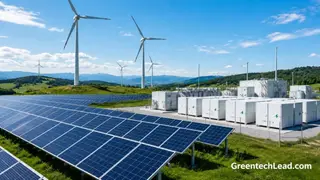
Tongwei has won an 846 MW contract to supply TNC 3.0 photovoltaic modules for Rezolv Energy’s 1.36 GWp Dama Solar project in Romania. The first shipments have already left Tongwei’s Nantong facility in China. Once operational, the project is expected to generate around 1,800 GWh annually, contributing to Rezolv’s renewable energy portfolio in Romania.
Tongwei has secured an 846 MW supply contract for its TNC 3.0 photovoltaic modules to support Rezolv Energy’s Dama Solar project in Romania, a 1.36 GWp solar facility. The first shipments departed from Tongwei’s Nantong manufacturing facility in China on November 19, 2026, marking the beginning of physical delivery under the agreement. Once fully operational, the Dama project is projected to generate approximately 1,800 GWh of electricity annually, significantly contributing to Rezolv’s renewable energy portfolio in Romania. This contract is a standalone module supply agreement and does not alter the project’s overall installed capacity or represent a new investment decision. The Dama project has previously secured equipment arrangements with other manufacturers, indicating a multi-vendor approach to component procurement. Tongwei’s involvement reflects its growing role in supplying high-efficiency solar technology to European markets, while Rezolv Energy continues to expand its presence in the Romanian renewable sector. The TNC 3.0 modules, known for their performance and durability, are likely chosen to support the project’s long-term operational goals. What remains unclear is the exact timeline for full commissioning, the final integration of all equipment suppliers, and how this contract fits into broader EU renewable deployment targets.
The Tongwei–Rezolv deal underscores the increasing reliance on Asian solar manufacturers to meet Europe’s renewable energy expansion goals, particularly in countries like Romania that are accelerating grid-connected solar projects. By securing long-term module supply through a Chinese supplier, Rezolv may be balancing cost efficiency with performance, though it also introduces supply chain dependencies that could affect project timelines if geopolitical or logistical disruptions occur. The project’s projected 1,800 GWh annual output could displace fossil fuel-based generation, contributing to Romania’s decarbonization targets and supporting broader EU climate commitments. A comparable precedent is the 2022 solar procurement wave in Spain, where similar multi-vendor contracts enabled rapid deployment despite supply chain volatility. This case may signal a trend where developers prioritize modular, scalable procurement over single-source contracts. What to watch for next includes the actual commissioning date of the Dama project, the performance of the TNC 3.0 modules in Central European conditions, and whether this contract influences future procurement strategies among European developers.