Anker 240W USB-C Cable Now at Record Low Price for Black Friday
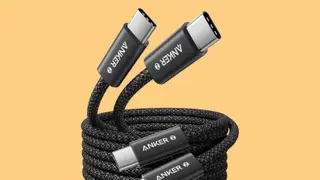
During Black Friday, Anker’s 240W USB-C cable is available for $15.99 on Amazon, the lowest price ever recorded, down from $21.99. The 1.8-meter braided cable supports fast charging for devices like the MacBook Pro, iPhone 18 Pro Max, and Samsung Galaxy S26. It also offers data transfer speeds up to 480 Mbps.
Anker’s 240W USB-C cable, currently priced at $15.99 on Amazon during Black Friday, has reached its lowest recorded price, down from $21.99, marking a 27% discount. This 1.8-meter braided cable supports Power Delivery 3.1 and is rated for up to 140 watts, enabling fast charging for high-power devices such as the MacBook Pro, iPhone 18 Pro Max, Samsung Galaxy S26, and iPad Pro. It also facilitates data transfer at speeds up to 480 Mbps. The cable’s durability is highlighted by Anker, claiming it can endure over 30,000 bends without damage, with a soft-touch, dirt-repellent sheath and unibody design. The product is an Amazon Choice, backed by over 5,000 reviews averaging 4.8 stars, and has seen more than 5,000 units sold in the past month. In the UK, a two-pack of the 240W cables is available for £9.48, a 32% savings.
This deal reflects a broader trend in consumer electronics where high-performance accessories are being made more accessible during major sales events. Anker, a well-known brand in peripheral tech, leverages its reputation for quality and value to drive sales through seasonal promotions. The demand for versatile, durable charging solutions has grown as users increasingly rely on multiple devices, particularly during travel or remote work. The cable’s long length and multi-device compatibility make it ideal for users who need reliable charging across different environments. However, the actual charging speed depends on the power adapter used, a key limitation not addressed by the cable alone. What remains unresolved is whether this price point will be sustained beyond Black Friday or if it signals a longer-term shift in pricing for high-wattage USB-C cables.
The availability of high-capacity USB-C cables at deeply discounted prices could influence consumer expectations around accessory pricing, potentially pressuring other brands to match or undercut Anker’s offer. This may accelerate the commoditization of premium charging solutions, where durability and speed are no longer premium differentiators but standard features. Travelers, remote workers, and tech enthusiasts—key demographics for such products—may benefit from increased access to reliable, multi-device charging, reducing the need to carry multiple cables. However, the reliance on external power adapters for full performance means users may still need to invest in compatible chargers, creating a secondary market need. A comparable precedent is the 2018 surge in USB-C adoption, when early adopters faced high prices that dropped sharply as competition increased. The current deal may signal a similar inflection point. What to watch for next is whether other manufacturers will respond with similar pricing or innovate on features like faster data transfer or foldable designs, potentially reshaping the accessory ecosystem.