Andrew Rannells and Megan Hilty Lead Broadway’s Live Radio Play Adaptation of It’s a Wonderful Life
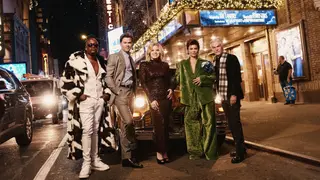
Andrew Rannells stars as George Bailey in the Broadway production of It’s a Wonderful Life: A Live Radio Play, joined by Megan Hilty, Tituss Burgess, Lisa Rinna, and Harry Hamlin. The show, staged at the Broadhurst Theatre, celebrated its opening night with a photo shoot featuring a yellow cab tribute to the holiday classic. Additional cast members include Alex Newell, Derek Klena, Monique Coleman, and Luann de Lesseps.
On November 20, 2026, Broadway’s It’s a Wonderful Life: A Live Radio Play opened at the Broadhurst Theatre, starring Andrew Rannells as George Bailey, joined by Megan Hilty, Tituss Burgess, Lisa Rinna, and Harry Hamlin. The production, a stage adaptation of the beloved 1946 film, was presented in the format of a live radio play, with actors portraying multiple roles and using sound effects and music to create the story’s world. The opening night featured a photo shoot outside the theater with a yellow cab—a direct homage to the film’s iconic scene where George Bailey is driven through Bedford Falls. Additional cast members include Alex Newell, Derek Klena, Monique Coleman, and Luann de Lesseps, whose presence adds a mix of theater veterans and pop culture figures. The show is presented by Broadway.com, which also hosts the official ticketing and promotional platform, and is part of a broader trend of reviving classic holiday stories through theatrical innovation.
The production builds on earlier adaptations of the film, including a 2009 live radio play version that toured the U.S., and reflects a growing interest in reimagining cinematic classics for live stage audiences. The casting of Rannells, known for his work in musical theater and television, signals a deliberate effort to attract both traditional theatergoers and younger, more diverse audiences. Hilty, a Tony Award winner, brings star power and vocal prowess to the role of Mary Hatch Bailey, while Burgess’s portrayal of Clarence the angel adds a comedic and heartfelt dimension. The inclusion of reality TV personalities like Lisa Rinna and Luann de Lesseps may broaden the show’s appeal beyond theater circles. What remains unresolved is the long-term sustainability of such adaptations in a competitive Broadway market, and whether the live radio format will resonate with audiences accustomed to more traditional staging. The show’s run and ticket sales will be key indicators of its success.
The revival of It’s a Wonderful Life as a live radio play could signal a broader cultural shift toward reinterpreting nostalgic media through intimate, stylized theatrical formats. By stripping away elaborate sets and relying on sound and performance, the production may appeal to audiences seeking a more immersive, analog experience in an increasingly digital world. The involvement of high-profile performers like Rannells and Hilty, alongside reality TV stars, suggests a strategy to bridge generational and cultural divides, potentially expanding the theater’s demographic reach. This approach may influence other classic properties—such as A Christmas Carol or It’s a Wonderful Life’s contemporaries—toward similar adaptations, especially during the holiday season when nostalgia-driven programming thrives. A comparable precedent is the 2013 live broadcast of The Sound of Music on NBC, which combined star power with a nostalgic format to draw massive viewership. If this Broadway version gains traction, it could inspire more experimental formats in live entertainment, particularly in how stories are told without relying on cinematic spectacle. What to watch for next is whether other major studios or theater companies adopt similar radio-play models, and how audiences respond to the blend of old and new storytelling techniques.