Samsung Unveils One UI 9.5 with iOS-Inspired Lock Screen and Enhanced Privacy Controls
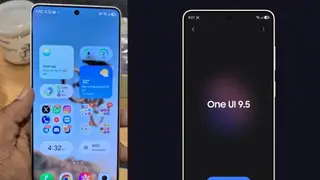
Samsung is rolling out One UI 9.5, based on Android 17, featuring a dedicated lock screen app inspired by iOS 18 and improved Privacy Display with manual brightness control. The update also includes new control features and enhancements for Galaxy S26 Ultra users.
Samsung has rolled out One UI 9.5, its first major software update since One UI 9, based on Android 17 and initially targeting the Galaxy S26 and S26 Plus models. The update introduces a native lock screen app inspired by iOS 18, allowing users to access lock settings directly from individual app menus—supporting biometric, PIN, pattern, or password authentication—finally addressing a long-standing user complaint. This feature, absent in Samsung’s previous software despite being standard on iOS for nearly a decade, marks a significant shift in design philosophy. Additionally, the Galaxy S26 Ultra receives enhanced Privacy Display functionality, now with manual brightness control and the ability to auto-activate for specific apps like the Privacy Album, resolving prior user frustrations about excessive dimming. The update also includes a redesigned camera interface with a dedicated zoom bar and smoother motion wallpapers. Samsung confirmed rollout availability in India, Germany, Poland, South Korea, the UK, and the US, signaling a global push despite the initial focus on flagship devices. The company, known for its incremental software updates, appears to be responding to persistent user feedback and competitive pressure, particularly from Apple’s more polished lock screen experience.
The background reflects years of user demand for a more intuitive lock mechanism on Samsung devices, with criticism intensifying after iOS 18’s release. Samsung’s earlier focus on AI and hardware innovation, such as the S26 Ultra’s unique display, may have delayed software refinements. Now, by adopting an iOS-inspired feature, Samsung acknowledges the value of user-centric design in a saturated market. The company’s goal is likely to improve user retention and satisfaction, especially among high-end buyers who expect seamless, polished experiences. However, it remains unclear whether this update will extend to older Galaxy models or if the privacy display enhancements will be available on future devices beyond the S26 Ultra. The broader rollout timeline and long-term software strategy remain uncertain, as does how Samsung will balance innovation with user feedback in future updates.
One UI 9.5’s introduction could signal a broader shift in Samsung’s software strategy, prioritizing user experience over hardware-first differentiation. By adopting iOS-like features, Samsung may be attempting to bridge the usability gap that has long separated its ecosystem from Apple’s, potentially influencing consumer perception of Android’s polish. Users who value simplicity and consistency may find the new lock screen more intuitive, especially those transitioning from iOS. The improved Privacy Display could also enhance trust in Samsung’s handling of sensitive data, particularly in a market where digital privacy is increasingly scrutinized. However, this move may also raise questions about innovation versus imitation—could Samsung’s reliance on iOS features stifle originality in its own design language? A comparable precedent is Apple’s adoption of Android’s swipe gestures in iOS 14, which sparked debate over design borrowing. What’s next may depend on how Samsung balances borrowed features with unique enhancements. If the company continues to respond to user feedback with targeted updates, it may strengthen loyalty among premium users. However, without broader device support or deeper software integration, the impact may remain limited to a niche audience.