Xiaomi 18 Pro review: rear display offers limited value despite strong overall performance
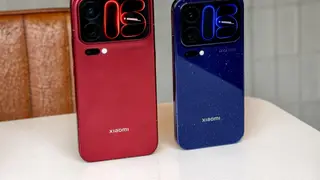
The Xiaomi 18 Pro and Pro Max feature a rear display that primarily aids in selfies but offers little else in daily use. Despite this, the phones deliver excellent main and telephoto cameras, strong performance, and a privacy display feature. However, high prices due to the RAM crisis make the second screen feel like an unnecessary expense.
The Xiaomi 18 Pro and 18 Pro Max, released in November 2026 and available in the UK and Europe, feature a rear display measuring 2.7 to 2.9 inches, a design element first introduced in the 2021 Mi 11 Ultra and previously limited to Chinese markets. These devices are priced at £1,199 ($1,570) and £1,399 ($1,830) respectively, positioning them directly against the iPhone 18 Pro and Pro Max. Both models use Qualcomm’s Snapdragon 8 Elite Gen 6 chip, with the Pro Max featuring the more powerful Extreme variant. They boast 200-megapixel main and telephoto cameras, a 7,050mAh battery in the Pro Max, and 100W wired charging. The rear display, while visually reminiscent of foldable phone screens, serves primarily as a camera viewfinder for selfies and limited notifications, with no support for app interactions or full UI access. Xiaomi’s AI tool, powered by Google’s Gemini 4 Argon, allows users to create simple apps like a Pomodoro timer or a basic Pac-Man game, but these lack internet access and app integration. The only compelling use case remains the rear camera viewfinder, which has enabled users to take high-quality selfies. The phones’ pricing reflects the ongoing RAM crisis, making the rear display feel like a costly novelty rather than a functional upgrade.
The background includes Xiaomi’s prior attempts with rear displays, notably the Mi 11 Ultra, and earlier efforts by Nubia and Vivo, none of which gained widespread traction. The company now seeks to differentiate its flagship lineup in a saturated market by emphasizing unique hardware features, even if their utility is limited. Consumers may be drawn to the novelty, but the high price point raises questions about value. The unresolved issue is whether the rear display will evolve into a more functional interface or remain a gimmick. Future iterations may refine its capabilities, but for now, its role is narrowly defined. It remains unclear whether Xiaomi will expand the rear display’s functionality in upcoming models or if other manufacturers will follow suit.
The Xiaomi 18 Pro’s rear display may influence consumer expectations around smartphone innovation, particularly in how manufacturers balance novelty with utility. While the feature offers a unique selfie experience, its limited functionality could discourage broader adoption unless paired with meaningful software integration. This mirrors the early reception of foldable phones, which were initially seen as gimmicks but gradually gained traction as durability and software improved. The current design may appeal to niche users—especially content creators or photography enthusiasts—but risks alienating mainstream buyers concerned about value. The high price, driven by the RAM crisis, could further limit market reach, especially in regions where flagship pricing is already sensitive. If other brands adopt similar rear displays without clear benefits, it could lead to feature fatigue or skepticism toward hardware innovations. The real impact may be on product differentiation strategies: if rear displays don’t deliver tangible improvements, companies may shift focus to software or sustainability. What to watch for is whether Xiaomi or competitors invest in expanding the rear screen’s capabilities—such as enabling multitasking or enhanced privacy controls—before the feature becomes a footnote in smartphone evolution.