Max Verstappen’s Strategic Brilliance in Las Vegas Stuns Red Bull Team
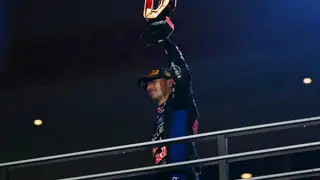
According to Red Bull’s technical director Laurent Mekies, Max Verstappen’s ability to outmaneuver Mercedes in Las Vegas was more impressive than Red Bull’s progress on energy-constrained circuits. Verstappen’s race strategy and on-track decisions demonstrated superior racecraft, leaving the team in awe of his tactical execution.
Max Verstappen’s performance in the Las Vegas Grand Prix showcased a masterclass in racecraft that surpassed even Red Bull’s technical advancements, according to team technical director Laurent Mekies. The event, held in the high-energy environment of the Las Vegas Strip circuit, presented unique challenges due to energy constraints, which typically favor teams with superior power unit efficiency. Despite these conditions, Verstappen executed a strategy that outmaneuvered Mercedes, a rival known for strong performance on energy-limited tracks. His on-track decisions—particularly in overtaking and tire management—were described as exceptional, demonstrating a level of tactical awareness that left the Red Bull engineering team in admiration. The race took place on a date not specified in the source, but it is part of the ongoing Formula 1 season, where such performances often influence championship standings and team morale.
The background to this moment lies in Red Bull’s ongoing development of their power unit and energy efficiency systems, which have been under scrutiny in recent races. While the team has made progress, Verstappen’s ability to compensate for any technical shortcomings through skill has highlighted the enduring value of driver excellence. Mekies’ comments underscore a shift in focus: while engineering improvements remain critical, the racecraft of top drivers like Verstappen may be increasingly decisive in tight competition. Red Bull’s ambition to maintain dominance in the championship likely depends on both technological innovation and Verstappen’s ability to deliver under pressure. What remains unresolved is whether this performance will be replicated consistently, and how Mercedes might adapt their strategy in future races to counter Verstappen’s evolving tactics.
Verstappen’s strategic dominance in Las Vegas could reinforce the perception that individual driver talent remains a decisive factor in Formula 1, even amid rapid technological advancement. This may influence how teams allocate resources—balancing investment in engineering versus driver development. For fans and sponsors, such performances elevate the sport’s narrative, potentially increasing engagement and viewership. The broader motorsport industry may take note, as the emphasis on racecraft could inspire new training methods or data analytics focused on driver decision-making. A comparable precedent is Michael Schumacher’s 1994 season, where his skill often compensated for car limitations, shaping the era’s competitive landscape. Whether Verstappen’s performance signals a broader trend or a singular moment remains uncertain. What may follow is increased scrutiny on how teams measure and develop driver intelligence under pressure, and how rival teams adapt their strategies to counter such individual brilliance.