Max Verstappen Claims Las Vegas GP Pole Despite Ongoing Technical Problems
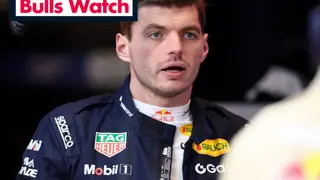
Max Verstappen secured pole position for the Las Vegas Grand Prix despite experiencing persistent technical issues with his Red Bull RB22 since the Brazil race. The team has been working to resolve the anomalies affecting the car’s performance. Verstappen remains confident ahead of the race despite the challenges.
Max Verstappen claimed pole position for the Las Vegas Grand Prix, marking a significant achievement despite ongoing technical problems with his Red Bull RB22. The issues have persisted since the Brazil race, affecting the car’s performance and raising concerns within the team. Despite these challenges, Verstappen managed to secure the top starting spot, demonstrating both his skill and the team’s resilience. The Red Bull Racing team has been actively working to resolve the anomalies, though specific details about the nature of the technical faults remain undisclosed. Verstappen’s ability to qualify at the front of the grid under such conditions underscores his adaptability and confidence in the car’s potential.
The background to this situation lies in the sustained performance issues that emerged after the Brazilian Grand Prix, which disrupted Red Bull’s usual dominance. These problems have likely influenced team strategy and resource allocation, with engineers focusing on diagnostics and fixes. The fact that Verstappen remains confident despite the setbacks suggests a strong belief in the team’s ability to resolve the issues before the race. Red Bull Racing, as a top-tier team, has a vested interest in maintaining its competitive edge, especially with the Las Vegas Grand Prix being a high-profile event. The outcome of the race may influence team morale, sponsor perceptions, and the broader championship standings.
What remains unresolved is whether the technical problems will affect Verstappen’s race performance, and how quickly the team can implement a permanent fix. The race itself, scheduled for the upcoming weekend, will be a critical test of both driver and engineering capabilities. It is not yet known if the issues will escalate or if the team has a contingency plan in place.
Verstappen’s pole position in Las Vegas, despite technical setbacks, could influence fan engagement and media narratives around reliability versus raw speed in Formula 1. The story may amplify public interest in engineering challenges behind the scenes, potentially shaping how audiences perceive team performance beyond race results. For Red Bull Racing, maintaining credibility with sponsors and fans hinges on demonstrating problem-solving capability under pressure. A strong race result could reinforce their brand as resilient and innovative, while a poor outcome might fuel scrutiny over technical management. Comparable to the 2018 Ferrari reliability issues, which temporarily dented their championship hopes, this situation may test team cohesion and public trust. The broader motorsport ecosystem may see increased attention on data transparency and real-time diagnostics. What to watch for next is whether Red Bull’s response sets a precedent for managing technical crises in high-stakes events.