SpaceX Dragon Completes CRS-35 Mission with Return of Vital Scientific Samples from ISS
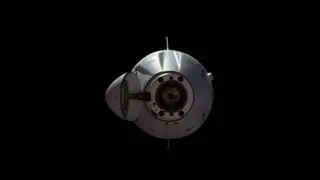
The SpaceX Dragon spacecraft successfully splashed down in the Pacific Ocean on November 21, 2026, concluding NASA’s 35th Commercial Resupply Services mission (CRS-35). It returned over 6,300 pounds of cargo, including a 3D-bioprinted blood vessel construct for cardiovascular research, frozen tumor organoids, antibiotic-resistant microbial samples, and a tested lighting system for astronaut health. The mission, launched on October 13, delivered the final pair of International Space Station Roll-Out Solar Arrays, increasing the station’s power capacity by 30%.
On November 21, 2026, the SpaceX Dragon spacecraft completed NASA’s 35th Commercial Resupply Services mission (CRS-35) by splashing down in the Pacific Ocean off the coast of California at 2:03 p.m. PST, 29 hours after undocking from the International Space Station (ISS) on November 20 at 12:05 p.m. ET. The spacecraft returned over 6,300 pounds of cargo, including a 3D-bioprinted blood vessel construct for cardiovascular research, frozen tumor organoids treated in microgravity, antibiotic-resistant microbial samples, and a tested lighting system designed to support astronaut circadian rhythms. The mission, launched on October 13, 2026, delivered the final pair of Roll-Out Solar Arrays (iROSA) to the ISS, boosting the station’s power capacity by 30%, from 160 to approximately 215 kilowatts. These arrays were installed during spacewalks, with NASA reporting a power increase of over 40% on one channel during prior installations. The Dragon’s return marks a critical step in sustaining long-duration human presence in low Earth orbit and enabling advanced biomedical and environmental research in space.
The mission reflects a sustained partnership between NASA and SpaceX, part of a broader strategy to leverage commercial capabilities for ISS resupply. The iROSA deployment is a culmination of years of planning and phased upgrades to the station’s aging solar power system, ensuring it remains viable through the 2030s. NASA, SpaceX, and international partners like the Canadian Space Agency (via Canadarm2) are central to this effort, each aiming to maintain operational continuity, advance scientific discovery, and support future deep-space missions. The next resupply mission, CRS-25, scheduled for November 29, 2026, will be handled by Northrop Grumman’s Cygnus XL spacecraft, carrying new experiments in drug delivery, cancer prediction, and radiation sensing. What remains unresolved is the long-term sustainability of the ISS beyond 2030 and how these incremental upgrades will influence the transition to commercial space stations.
The successful return of biologically sensitive samples and advanced hardware from CRS-35 could accelerate breakthroughs in personalized medicine and space-based biotechnology. Research on microgravity-grown organoids and antibiotic-resistant microbes may yield insights applicable to terrestrial healthcare, particularly in oncology and infectious disease management. The lighting system’s performance may inform future habitat designs for lunar and Martian missions, where circadian health is critical. This mission exemplifies how commercial spaceflight is becoming integral to scientific progress, not just logistics. A comparable precedent is the early ISS resupply missions in the 2010s, which similarly demonstrated the viability of private-sector involvement in space infrastructure. The broader impact may include increased public and private investment in space-based R&D, potentially reshaping biotech and pharmaceutical industries. However, the long-term effects on space policy, international collaboration, and the commercialization of low Earth orbit remain uncertain. What to watch for next is how NASA’s transition to commercial space stations will be shaped by data from missions like CRS-35.