Pochettino Defends United After 4-0 Anfield Defeat Amid Early Red Card and Struggles
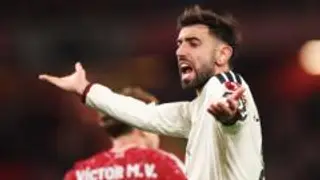
Mauricio Pochettino, newly appointed Manchester United manager, said even the world’s best team could have conceded four goals after Leny Yoro was sent off in the eighth minute and United fell behind 2-0 by the 13th minute. Despite the dire circumstances, Pochettino emphasized his team’s effort, while former captain Roy Keane criticized the result as unacceptable. The 4-0 loss marked one of the worst starts for a new United manager in history.
Manchester United suffered a 4-0 defeat to Liverpool at Anfield in their first match under newly appointed manager Mauricio Pochettino, marking one of the worst starts for a new United manager in Premier League history. The game turned dire within minutes, as defender Leny Yoro was sent off in the eighth minute, leaving United a man down. By the 13th minute, they were already 2-0 behind, and Liverpool added two more goals in the second half to secure the win. This loss leaves United second from bottom in the league table, continuing a pattern of defensive instability. So far this season, United have conceded 34 goals across all competitions — the most in Europe’s top five leagues — and have now conceded four goals in two consecutive games, with 19 conceded in their last six outings. The match also highlighted recurring issues: poor positioning, lack of communication among defenders, and vulnerable reactions to long balls, as seen in the tackle that led to Yoro’s red card and subsequent defensive breakdowns.
Pochettino defended his team’s effort, arguing that even the world’s best could have conceded four goals under such circumstances, citing the difficulty of playing with 10 men at Anfield — a venue where only Arsenal has previously overcome a first-half red card. However, former United captain Roy Keane strongly disagreed, calling the result “unacceptable” and criticizing the notion that a 4-0 loss should be excused due to the red card. He argued that teams can still show fight and quality even when reduced to 10 men, and expressed disbelief that commentators like Gary Neville were downplaying the defeat. Ex-England goalkeeper Paul Robinson echoed these concerns, emphasizing that the defensive issues were not just situational but systemic, rooted in poor positioning and communication. What remains unresolved is whether Pochettino can instill discipline and tactical cohesion in a squad that has shown repeated defensive fragility, and whether the club’s leadership will hold him accountable despite the challenging circumstances.
The defeat may deepen fan disillusionment with Manchester United’s current trajectory, particularly among supporters who view the club’s defensive record as emblematic of broader decline. The 4-0 loss, while not unprecedented in the club’s recent history, underscores a crisis in defensive organization that could affect player morale, sponsorship confidence, and transfer market positioning. The public debate between Pochettino, Keane, and Neville reflects a wider societal tension about standards in elite sport — when do circumstances excuse poor performance, and when does it signal deeper institutional failure? A comparable case is the 2019 7-0 loss to Liverpool, which also triggered intense scrutiny but was followed by a managerial change. This time, the reaction may be more immediate due to the high-profile appointment of Pochettino, whose reputation hinges on early results. The next few weeks will be critical: if United fail to improve defensively or show signs of tactical progress, pressure on Pochettino could escalate, potentially influencing future transfer decisions and fan engagement. The club’s ability to rebuild its identity may depend not just on results, but on how it manages the narrative around this defeat.