Pochettino Faces Immediate Crisis as United’s Anfield Collapse Begins His Tenure
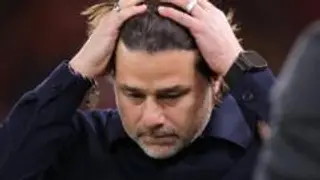
Mauricio Pochettino’s debut as Manchester United manager ended in a 4-0 defeat to Liverpool, with Leny Yoro sent off in the eighth minute and United conceding two quick goals. The loss marked the joint-worst start for a new United boss, matching a 1926 result, and came amid a chaotic week following his departure from the US. Fans and pundits alike questioned the team’s response, with Pochettino acknowledging the immense challenge ahead.
Mauricio Pochettino’s tenure as Manchester United manager began in devastating fashion with a 4-0 defeat to Liverpool at Anfield on Sunday, marking the joint-worst start for any new United boss in history—matching Lal Hilditch’s 1926 loss to Bolton. The match turned decisively in the eighth minute when defender Leny Yoro was sent off for a foul on Alexander Isak, a decision Pochettino later contested, calling it “unbelievable” and arguing the foul was not clear. Liverpool capitalized immediately, scoring twice within minutes, and went on to dominate, with Mohamed Salah and Darwin Núñez adding further goals. United, already 19th in the Premier League and 20 points behind leaders Arsenal after 11 games, have now conceded 19 goals in their last six matches, including just one clean sheet this season. Pochettino, who had just concluded his final game as head coach of the United States men’s national team—a 2-0 win over Haiti in Cincinnati on Tuesday—flew directly to Manchester on a private jet, arriving at 11:30 GMT Wednesday, and began his role with minimal rest. His appointment followed months of speculation, and he had previously expressed deep emotional ties to the club, having long been linked with a return. However, his immediate challenge is immense: rebuilding a squad widely criticized for its lack of cohesion and quality, despite executive Omar Berrada’s claim that the current squad is “fundamentally better” than last season’s. Pochettino’s insistence that his players “want to win” and “like to fight” contrasts sharply with Roy Keane’s post-match condemnation, calling the performance “rubbish” and questioning player accountability. What remains unresolved is whether Pochettino can instill belief in a team that has shown little resilience, and whether the club’s leadership will support him through a crisis that may extend beyond one match.
The fallout from this defeat could deepen the existing crisis of confidence at Manchester United, affecting not only fans and players but also sponsors, investors, and the broader football ecosystem. A high-profile managerial appointment following a humiliating loss may amplify scrutiny on the club’s recruitment and strategic planning, especially given the contrast between Pochettino’s 6 wins with the US team and United’s 6 wins in 16 games. This could influence investor sentiment and media narratives, potentially pressuring the club to make further changes beyond the manager. Comparable to the 2014 appointment of David Moyes, whose early struggles led to a swift exit, Pochettino’s fate may hinge on early results, though his emotional connection to the club may afford him more patience. The broader impact may include increased pressure on the club’s hierarchy—particularly Berrada and Jason Wilcox—to justify their decisions on player acquisition and squad development. If Pochettino fails to stabilize the team, it could trigger a cycle of instability, affecting transfer market dynamics and fan engagement. What to watch for next is whether the club’s leadership will maintain faith in Pochettino despite the loss, or if internal dissent grows, possibly leading to a swift managerial change. The coming weeks will reveal whether this moment is a temporary setback or the beginning of a deeper structural reckoning.