Atlanta Braves Seek Rotation Upgrades Amid Injury-Plagued 2026 Season
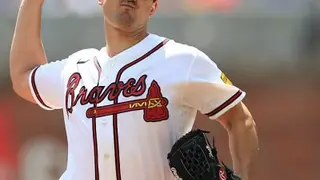
The Atlanta Braves are exploring options to strengthen their starting rotation after a season marred by injuries to key pitchers including Spencer Schwellenbach, Spencer Strider, and Hurston Waldrep. Despite the setbacks, the team’s healthy starters posted solid statistics, but general manager Alex Anthopoulos has signaled a desire to add depth. The Braves recently signed reliever Evan Phillips to a three-year, $35 million deal, but rotation upgrades remain a top priority as the lockout looms.
The Atlanta Braves are actively seeking to upgrade their starting rotation amid a 2026 season marked by significant injuries to key pitchers, including Spencer Schwellenbach, Spencer Strider, Hurston Waldrep, Bryce Elder, and Reynaldo López. Schwellenbach underwent surgery for bone spurs after fracturing his elbow in 2025, while Strider’s season ended due to elbow inflammation. Waldrep required Tommy John surgery, and López dealt with lingering injuries. Despite these setbacks, the Braves’ healthy starters posted a 3.76 ERA (6th in MLB), .231 opponent batting average (8th), and 1.28 WHIP (14th), suggesting underlying strength. General manager Alex Anthopoulos has signaled a clear intent to bolster the rotation, even as the team recently signed reliever Evan Phillips to a three-year, $35 million deal. Phillips, a former 17th-round draft pick by Atlanta, returns to the organization after five strong seasons with the Los Angeles Dodgers. The Braves’ internal options include Chris Sale, who remains under team control through 2028, and a mix of inconsistent but promising pitchers like Bryce Elder, Grant Holmes, and Didier Fuentes, who is being considered for a rotation role after a standout relief season. External free agent targets may include Tyler Mahle, whom Atlanta acquired at the 2025 trade deadline and saw turn around his season after a mid-year adjustment. With the MLB lockout looming, the window for roster moves is narrowing, and Atlanta’s priority remains adding a reliable, high-impact starter rather than simply increasing depth.
The Braves’ rotation struggles reflect a broader challenge in modern baseball: balancing short-term performance with long-term health and development. Injuries to young pitchers like Schwellenbach and Strider—both considered top-tier talents—could affect Atlanta’s competitiveness in 2027 and beyond, potentially altering playoff expectations. The team’s focus on internal development, such as promoting Fuentes or relying on Holmes, may signal a preference for cost control and player development over high-priced free-agent gambles. This approach mirrors the 2010s model of the Kansas City Royals, who built a championship team through disciplined farm system management rather than aggressive spending. However, if Atlanta fails to secure a reliable top-of-the-rotation arm, it may face renewed pressure to make a bold move, especially if the lockout delays free agency into 2027. The outcome could influence how other teams approach injury risk in their pitching staffs and may prompt increased investment in biomechanical analysis and workload management. What’s next remains uncertain—whether Atlanta will pursue a high-impact free agent, trade for a veteran, or double down on internal development will likely depend on the timing and terms of a new CBA.