Rafael Camara Stays in F1 with Haas, Abandoning F2 Championship Pursuit
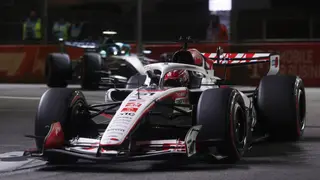
Brazilian driver Rafael Camara will remain in Formula 1 with Haas for the final two races of the 2026 season, forgoing his chance to win the Formula 2 title despite leading Nikola Tsolov by seven points. His decision aims to gain valuable experience ahead of the 2027 F1 campaign. Haas confirmed the move to prioritize long-term development over immediate F2 success.
Brazilian racing driver Rafael Camara has confirmed he will remain in Formula 1 for the final two races of the 2026 season with the Haas F1 Team, choosing to forgo his opportunity to clinch the Formula 2 Championship. At the time of his decision, Camara led fellow driver Nikola Tsolov by seven points in the F2 standings, a position that would have secured him the title with a strong finish in the remaining races. Instead, Haas has formally announced his retention for the 2026 season’s closing rounds, signaling a strategic shift in focus from short-term F2 success to long-term F1 development. The team emphasized that the move prioritizes Camara’s experience in the top tier of motorsport ahead of the 2027 F1 season, aligning with Haas’s broader developmental goals. This decision marks a significant departure from the typical path of young drivers who often use F2 as a stepping stone to F1, instead placing Camara’s immediate F1 exposure ahead of a potential championship win.
The background to this choice lies in the evolving structure of driver development in elite motorsport, where teams increasingly value early F1 exposure for young talent. Camara’s rise through the junior formulae, including strong performances in F2, had positioned him as a leading contender for the title, making his withdrawal from the championship notable. Haas, known for its focus on nurturing young talent, appears to be betting on Camara’s long-term potential rather than immediate results. The team’s decision reflects a calculated investment in future competitiveness, potentially at the cost of current F2 success. What remains unresolved is whether Camara will secure a full-time F1 seat beyond 2026, and how this decision may influence other teams’ approaches to driver development and race selection.
Camara’s decision to skip the F2 title chase could signal a broader trend in motorsport where teams prioritize long-term strategic development over immediate accolades. This shift may affect how young drivers perceive their career paths, potentially encouraging more focus on F1 exposure even at the expense of junior series titles. The move could also influence how F2 and other feeder series are valued by teams and sponsors, possibly reshaping investment in junior categories. A comparable precedent exists in the early 2000s when teams like Red Bull began fast-tracking young drivers into F1, often bypassing traditional junior series. This could lead to a more competitive but less predictable path for emerging talent. What may follow is increased scrutiny on how teams balance developmental goals with competitive outcomes, and whether such decisions could eventually affect the legitimacy or appeal of feeder series. The long-term impact on driver careers and team strategies remains to be seen.