Lincoln Riley Surfaces as Potential Replacement for Fired TCU Head Coach Sonny Dykes
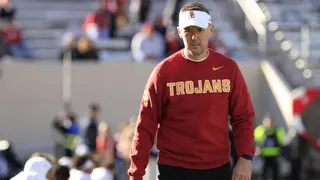
Following the firing of TCU football coach Sonny Dykes, USC head coach Lincoln Riley has emerged as a reported candidate for the vacant position. Despite being a Texas native and having prior success at Oklahoma, Riley’s potential move to TCU is considered unlikely given his current role. TCU, now 5-6, is searching for a new leader after a loss to No. 2 Utah, with defensive coordinator Andy Avalos named interim coach.
Following a 38-17 home loss to No. 2 Utah on Saturday night, TCU officially fired head football coach Sonny Dykes on Sunday, November 22, 2026, after a season that saw the Horned Frogs fall to 5-6 despite preseason expectations of Big 12 contention. The team has since named defensive coordinator Andy Avalos as interim head coach for their final regular-season game against No. 12 Texas Tech on Thanksgiving. Amid the upheaval, USC head coach Lincoln Riley has emerged as a reported candidate for the vacancy, according to The Athletic’s Bruce Feldman. Riley, a Texas native who previously led Oklahoma to sustained success in the Big 12, is currently in his fifth season at USC, where the Trojans are 8-3 and rebuilding with a young roster. Though Riley could leave USC without a buyout due to new athletic department leadership post-contract, his move to TCU is considered unlikely given his current role and the high-profile nature of the USC program. Other names under consideration include Jeff Traylor (UTSA), Jason Eck (New Mexico), Eric Morris (Oklahoma State), Zach Kittley (FAU), Spencer Danielson (Boise State), G.J. Kinne (Texas State), Miami offensive coordinator Shannon Dawson, and LSU defensive coordinator Blake Baker. TCU’s search comes amid broader coaching turnover across the Big 12, with Baylor also in the midst of a hiring process, suggesting overlapping candidate pools.
The potential hiring of Lincoln Riley at TCU could signal a shift in how programs approach coaching transitions—particularly when high-profile names are involved. If Riley were to leave USC, it would mark a rare departure from a Power 5 program mid-cycle, potentially setting a precedent for future coaching movements where stability is challenged by ambition. TCU, seeking to regain momentum after a disappointing season, may view Riley’s offensive acumen and national profile as a way to reestablish competitiveness. However, the likelihood of such a move remains low, and the broader impact may be more symbolic than structural. The story reflects a larger trend in college football: the increasing fluidity of coaching careers, where high-profile coaches are frequently linked to multiple programs, even when their current roles are stable. This dynamic may pressure athletic departments to offer more flexible contracts or incentives to retain talent. Comparable cases include Nick Saban’s moves between Alabama and LSU, or Urban Meyer’s transitions between Florida and Ohio State, which reshaped programs and fan expectations. What to watch for next is whether TCU’s search remains focused on internal candidates or expands to include high-profile names, and how USC responds if Riley’s name is floated seriously—potentially influencing future hiring strategies across the conference.