TCU Fires Coach Sonny Dykes After 5-6 Season, Names Andy Avalos Interim Leader
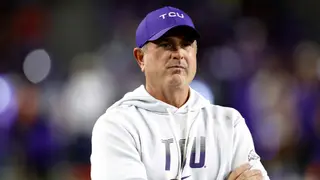
TCU fired head coach Sonny Dykes following a 5-6 start to the season, with the decision made after a 38-17 loss to No. 2 Utah in their home finale. Dykes, who had a 41-23 record at TCU, leaves after securing a multiyear extension in April. Defensive coordinator Andy Avalos has been named interim head coach for the remainder of the season, with the team aiming to become bowl-eligible in their final game against Texas Tech.
TCU fired head football coach Sonny Dykes on November 22, 2026, following a 38-17 home loss to No. 2 Utah in their regular-season finale, which left the Horned Frogs with a 5-6 record and a slim chance at bowl eligibility. The decision came just one day after the game, after Dykes had secured a multiyear contract extension in April despite the team’s recent decline from its 2022 College Football Playoff championship run. Dykes had posted a 41-23 record during his tenure, including two 9-4 seasons prior to this year, but his team struggled with consistency, losing five games by a combined 25 points—four of them by one score against Power Four opponents. Defensive coordinator Andy Avalos was named interim head coach for the final game against Texas Tech, a matchup that could still secure bowl eligibility for TCU. Avalos, who previously led Boise State from 2021 to 2023, brings experience and stability as the program navigates a transitional moment. The move also positions TCU to enter a competitive offseason coaching search, especially as nearby Baylor also faces a coaching vacancy, creating a regional cluster of high-profile openings in the Big 12.
What remains unresolved is whether Avalos will be considered for a permanent role, and how the search will unfold given the proximity of TCU and Baylor, which may compete for the same pool of candidates. The timing of the firing—just before the final game—suggests a strategic effort to stabilize the season and begin the hiring process early. The broader implications include potential ripple effects across the Big 12 coaching landscape, where vacancies may attract high-profile names. The decision also underscores the volatility of college football, where even successful coaches can face abrupt exits after a single underwhelming season, especially when expectations remain high after past achievements.
The firing of Sonny Dykes reflects a broader trend in college football where performance pressure intensifies even after sustained success, particularly in high-profile programs. TCU’s decision to replace Dykes after a 5-6 season—despite a strong prior record and a recent contract extension—highlights how quickly expectations can shift, especially in a conference like the Big 12 where parity is fierce and postseason access is tightly contested. This move could influence how athletic departments evaluate coaches, potentially favoring short-term results over long-term development, which may affect coaching stability across the sport. The fact that TCU and Baylor now both have open head coaching positions within a short distance could lead to a bidding war for top candidates, possibly driving up salaries and altering the balance of power in the conference. A comparable case is the 2022 firing of Jim Harbaugh at Michigan after a 10-3 season, which showed how even winning coaches can face scrutiny if they fall short of championship expectations. What to watch for next is whether Avalos gains long-term consideration, how quickly TCU fills the role, and whether this decision triggers a broader wave of coaching changes in the Big 12, especially if other programs face similar pressure.