Regional Roundup: Key Developments Across the Balkans on November 23, 2026
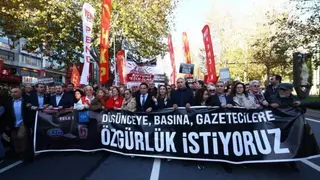
This daily briefing highlights significant political and social developments across the Balkans, including Serbia’s Student List securing parliamentary power, ongoing tensions in Bosnia and Herzegovina, and protests in Albania. The update covers recent shifts in governance, electoral dynamics, and civil unrest, reflecting broader regional challenges in democratic consolidation and state-building.
On November 23, 2026, Serbia’s Student List, a political coalition formed by university students and youth activists, secured a decisive victory in parliamentary elections, marking a historic shift in the country’s political landscape. The coalition, which campaigned on promises of transparency, anti-corruption reforms, and youth empowerment, won 58 out of 250 seats in the National Assembly, enabling it to form a governing coalition with minor parties. This outcome followed the resignation of the previous ruling coalition after a series of corruption scandals and declining public trust in traditional parties. The new government’s first act was the election of a student leader, Milica Vuković, as Speaker of Parliament—a symbolic and unprecedented move that underscored the movement’s commitment to generational change. The event was widely seen as a response to years of political stagnation and growing disillusionment with established elites, particularly after the 2023 protests that called for electoral reform.
The broader regional context includes ongoing instability in Bosnia and Herzegovina, where ethnic divisions continue to paralyze governance, and escalating tensions in Kosovo, where authorities have again challenged the jurisdiction of the International Criminal Tribunal for the former Yugoslavia. In Albania, mass protests erupted over proposed constitutional changes that critics argue would undermine judicial independence. Meanwhile, Serbia’s youth-led victory may signal a broader regional trend toward political renewal, though its long-term viability remains uncertain. The Student List’s agenda includes constitutional amendments, digital governance reforms, and closer EU integration—goals that could reshape Serbia’s domestic and foreign policy. However, the coalition’s lack of experience in governance and resistance from entrenched interests may hinder implementation. What remains unresolved is whether the new leadership can maintain unity, manage economic pressures, or withstand external influence from regional powers.
The rise of Serbia’s Student List could signal a broader generational shift in Eastern Europe, where youth-led movements are increasingly challenging entrenched political systems. If sustained, this could reshape democratic norms in the Balkans, potentially inspiring similar coalitions in neighboring countries like Montenegro or North Macedonia. However, the movement’s success may depend on its ability to deliver tangible reforms amid economic challenges and regional instability. The EU may view this development as a positive step toward democratic consolidation, possibly influencing future funding or accession talks. A comparable precedent is the 2018 “Yellow Vests” protests in France, which, though not electoral, demonstrated how youth and civil society could disrupt established politics. In this case, the Student List’s electoral victory is more institutionalized, but its durability remains uncertain. What to watch for next is whether the coalition can maintain public trust, avoid co-optation by older political forces, or navigate complex regional alliances—especially with Turkey and the EU. The coming months will test whether this is a genuine democratic renewal or a fleeting moment of protest-driven momentum.