Sunly Inaugurates 244 MW Risti Solar Park in Estonia with 340,000 Panels
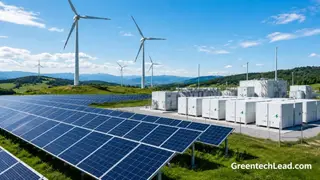
Sunly has officially opened the 244 MW Risti solar park in western Estonia, a €125 million project developed with Metsagrupp. The facility includes over 340,000 solar panels across 270 hectares and is expected to generate enough electricity to power nearly 90,000 Estonian households annually. The European Investment Bank, SEB, and Luminor provided €62 million in financing.
Sunly officially inaugurated the 244 MW Risti solar park in western Estonia on November 23, 2026, marking a major milestone in the country’s renewable energy transition. The €125 million project, developed in partnership with Metsagrupp, spans 270 hectares and features over 340,000 solar panels. It is expected to generate enough electricity annually to power nearly 90,000 Estonian households. The facility received €62 million in financing from the European Investment Bank, SEB, and Luminor, underscoring growing institutional confidence in large-scale solar deployment in the Baltic region. Construction began in 2024, with Connecto serving as the principal contractor and Zimmermann supplying solar tracking systems to optimize energy capture. The project is part of Sunly’s broader strategy to expand grid-connected renewable capacity, including a planned 143 MW/294 MWh battery storage system with Rolls-Royce, set for commissioning in 2027, and a 42 MW wind farm targeting operation by 2030.
This development follows Estonia’s national push to increase renewable energy use and reduce dependence on fossil fuels, particularly in light of EU climate targets. The Risti solar park exemplifies the trend of public-private collaboration in energy infrastructure, with financial backing from multilateral and commercial lenders. Sunly, a growing renewable developer, aims to strengthen its footprint in Northern Europe, while Metsagrupp contributes local expertise and land access. The project’s success may influence future investments in solar and storage across the region. Unresolved aspects include the long-term grid integration challenges, the actual performance of the battery system, and how the project will interact with local ecosystems and land use policies. The timeline for the wind farm and storage system remains contingent on regulatory approvals and supply chain stability.
The Risti solar park could significantly contribute to Estonia’s energy independence and decarbonization goals, potentially reducing reliance on imported electricity and lowering national carbon emissions. By powering nearly 90,000 homes, the project may help stabilize regional electricity prices and support grid resilience, especially as intermittent solar output is paired with upcoming battery storage. The involvement of the European Investment Bank signals strong EU backing for clean energy infrastructure, which may encourage similar investments in other Eastern European countries facing similar energy transition challenges. Comparable to the rapid solar expansion seen in Germany during the early 2010s, this project reflects a broader European shift toward decentralized, renewable-powered grids. However, the long-term impact will depend on how well the battery system integrates with the grid and whether the project sets a precedent for large-scale solar in agrarian or ecologically sensitive areas. What to watch for next includes the performance data from the 2027 battery system and whether Sunly’s model of combining solar, storage, and wind will be replicated across the Baltic region.