Western Tech Found in Russian Drones Despite Sanctions, Ukraine Reports
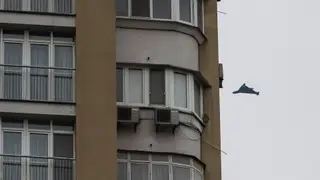
Ukrainian intelligence has uncovered that Russian Geran-4 drones shot down in August contained newly manufactured components from U.S. and European firms, including chips from CTS Corporation, Vishay Intertechnology, and STMicroelectronics, all produced in early 2026. The components were traced to manufacturing sites in the U.S., Switzerland, and Malaysia, indicating ongoing sanctions evasion through third countries. The findings highlight the persistence of Western technology in Russia’s war machine despite international restrictions.
In August 2026, a Russian Geran-4 drone, manufactured in the Alabuga Special Economic Zone, was shot down over Kyiv Oblast, revealing a startling presence of newly produced Western components. Among the wreckage were at least 12 components marked with production dates from 2024 to 2026, including timing chips from CTS Corporation (U.S.), a power diode from Vishay Intertechnology (U.S.), and a microcontroller from STMicroelectronics (Switzerland/Italy), all made in early 2026. The microcontroller was assembled and tested in Malaysia, indicating a complex supply chain bypassing sanctions through third countries. These components were produced years after the U.S. and EU imposed export bans on microchips to Russia following the 2022 invasion. The drone contained nearly 100 non-Russian parts, most from American firms, with no evidence of pre-war stockpiles. Separately, Ukrainian intelligence recovered eight SIM cards from Russian drones used in 2025, all issued by Lithuania’s Pildyk brand under Tele2 Lietuva, activated in 2024. These foreign SIM cards, unlike domestic ones, may help Russia evade detection by mimicking ordinary mobile traffic. The companies involved—STMicroelectronics, Vishay, and CTS—declined to explain how their products reached Russia, citing compliance programs and blocked shipments since 2022. Tele2 Lietuva confirmed the cards were legally sold but offered no insight into how they were diverted. The identities of the intermediaries or networks enabling this smuggling remain unknown.
The discovery of Western-made components in Russian drones could undermine confidence in global export controls and signal systemic vulnerabilities in supply chain oversight. If such technology continues to flow into Russia despite sanctions, it may indicate that third-country intermediaries—especially in Southeast Asia and Eastern Europe—are becoming critical nodes in evasion networks. This could pressure Western governments to tighten enforcement, particularly in regions with less stringent export monitoring. The use of European SIM cards may also complicate Ukraine’s electronic warfare capabilities, as foreign signals are harder to trace and disrupt. A comparable precedent is the 2014-2015 case of Russian military drones using components from Chinese and Eastern European suppliers, which similarly exposed gaps in sanctions enforcement. The current findings may prompt renewed scrutiny of telecom and electronics supply chains, especially in Baltic and Central European nations. However, it remains unclear whether these incidents reflect isolated breaches or a broader, organized network. What’s next could include investigations into intermediary firms, potential legal action against complicit entities, or new regulations targeting secondary distribution channels. The situation may also influence defense procurement policies in NATO countries, as they reassess the resilience of their own supply chains.