Russian Strike Kills Two, Injures 22 in Zaporizhzhia Residential Building
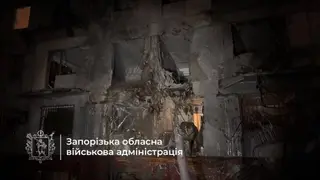
A Russian attack on a five-story residential building in Zaporizhzhia’s Kosmichnyi district killed at least two people and injured 22, including two children, according to Zaporizhzhia Oblast Military Administration head Mykhailo Semikin. The building was partially destroyed, with one victim in critical condition due to a traumatic brain injury. Emergency crews continue searching the rubble, and the attack is part of a broader pattern of daily strikes on the region, often involving glide bombs and drones.
On November 23, 2026, a Russian attack struck a five-story residential building in the Kosmichnyi district of Zaporizhzhia, resulting in at least two fatalities and 22 injuries, including two children aged 6 and 16. Mykhailo Semikin, head of the Zaporizhzhia Oblast Military Administration, confirmed the partial destruction of the building, which left a large structural gap and rendered the structure unsafe. One victim remains in critical condition due to a traumatic brain injury. Emergency crews are still searching the rubble for survivors or additional casualties. The attack damaged multiple other residential buildings, private homes, vehicles, and transport infrastructure, with one home completely destroyed. While the specific weapon used has not been confirmed, the region has frequently been targeted with glide bombs and drones, consistent with Russia’s broader pattern of strikes on populated areas near the front lines. These attacks occur daily, with hundreds of projectiles launched into the region, indicating a sustained campaign of targeting civilian infrastructure.
The broader context involves Zaporizhzhia’s strategic location near active combat zones, making it a frequent target despite its civilian population. The repeated attacks reflect a military strategy that combines direct strikes with psychological warfare, aiming to destabilize civilian life and undermine morale. The Zaporizhzhia Oblast Military Administration, as the regional authority, is responsible for coordinating emergency response and reporting casualties, while Ukrainian forces and international observers monitor the situation. What remains unresolved is the exact nature of the weapon used, the full extent of the casualties, and whether the attack was part of a larger offensive. The ongoing search for survivors and the potential for further casualties underscore the immediate dangers faced by civilians in the region.
The attack in Zaporizhzhia underscores the persistent threat to civilian life in regions near active combat zones, where infrastructure and homes are repeatedly targeted. The deaths and injuries, particularly among children, could amplify public anxiety and strain already overburdened emergency services and medical systems. Such incidents may also influence international humanitarian responses, potentially increasing aid flows or calls for greater protection measures. The repeated use of glide bombs and drones in populated areas mirrors earlier patterns seen in cities like Mariupol and Kharkiv, where sustained bombardment led to long-term urban devastation and displacement. If this trend continues, it could further erode trust in local governance and increase pressure on Ukraine’s military and political leadership to respond with more visible countermeasures. The situation may also affect regional markets, as investment and mobility decline in areas perceived as high-risk. What to watch for next is whether international bodies will issue stronger condemnation or whether Ukraine will escalate its response, possibly through targeted strikes on Russian supply lines.