SEC to Vote on Expelling LSU Amid Legal Dispute Over Recruiting Violations
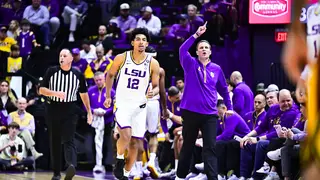
The Southeastern Conference is preparing to vote next week on whether to expel LSU from the conference, following a new court filing in a federal lawsuit. The dispute stems from LSU’s attempts to recruit athletes who were previously under contract with the NFL and NBA, including basketball player RJ Luis Jr., who played one game for the Tigers before being pulled from the roster. The SEC argues that LSU failed to maintain proper institutional control over its athletic programs, violating membership standards.
The Southeastern Conference (SEC) is set to vote next week on whether to expel LSU from the league, following a new federal court filing that underscores ongoing disputes over recruiting violations. The controversy centers on LSU’s attempt to recruit athletes previously under contract with the NFL and NBA, most notably basketball player RJ Luis Jr., who played one game for the Tigers in November 2026 before being pulled from the roster. Luis, a former Big East Player of the Year with St. John’s in 2024–25, had spent parts of the 2025 NBA offseason with the Utah Jazz and Boston Celtics. Despite LSU’s basketball team playing him in a win over Louisiana-Monroe, the university’s president, Wade Rousse, later instructed coach Will Wade to stop fielding Luis. A state district court in Baton Rouge issued a preliminary injunction blocking the NCAA and SEC from declaring Luis ineligible, which the SEC says it will respect only while the order remains in effect. The SEC maintains that LSU failed to exercise proper institutional control over its athletic programs, violating membership standards, and has raised concerns about governance instability due to Louisiana Governor Jeff Landry’s recent appointments to key university leadership roles, including the president and athletic director. This marks the second time since September the SEC has threatened expulsion, though LSU may yet take corrective action before the Dec. 3 meeting to avoid removal.
This situation could significantly impact the integrity and autonomy of collegiate athletics, particularly in how conferences enforce membership standards amid legal and political interference. If the SEC proceeds with expulsion, it may set a precedent for how governing bodies respond to institutional governance failures, especially when state leadership intervenes in university operations. The case echoes past controversies like the NCAA’s sanctions against Penn State in 2012, where institutional control and leadership accountability were central, though this instance involves a more direct clash between state authority and conference governance. The outcome may influence how other schools navigate recruitment rules and whether athletic programs can operate independently from state political influence. If LSU is expelled, it could disrupt conference realignment dynamics and raise questions about the balance of power between state governments and collegiate athletic associations. What remains unclear is whether the SEC’s vote will be binding or subject to further legal challenges, and how other member schools might respond to such a high-stakes enforcement action.