Baseus PicoGo Pro USB-C Charger Launches with Display and Stylish Design
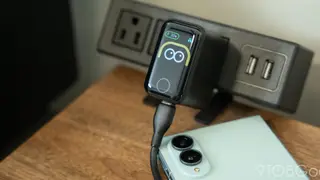
Baseus has introduced the PicoGo Pro, a compact USB-C charger featuring three ports, optimized charging, and a small animated character display. The device stands out with its playful design and is currently available at a discounted price for Black Friday. It represents a growing trend of adding interactive displays to power bricks.
Baseus has launched the PicoGo Pro, a compact USB-C charger featuring three ports, designed for modern consumers seeking efficient and portable power solutions. The device includes an animated character display, a distinctive feature that sets it apart from conventional chargers. Marketed as a stylish and interactive accessory, the PicoGo Pro is currently available at a discounted price during Black Friday, signaling a strategic push to capture consumer interest during a key shopping period. The product exemplifies a broader industry trend of integrating small, dynamic displays into power bricks, transforming utility devices into visually engaging tools.
This development reflects a shift in consumer electronics toward blending functionality with personality. As users increasingly value aesthetics and interactivity in everyday devices, manufacturers like Baseus are responding by enhancing basic accessories with playful elements. The inclusion of an animated display suggests a move beyond mere charging efficiency, aiming to create emotional engagement and brand differentiation. Baseus, known for its innovative consumer tech, appears to be capitalizing on the growing demand for smart, compact, and visually appealing gadgets.
The implications for the market are notable: if the PicoGo Pro gains traction, it may encourage other brands to adopt similar interactive features in power adapters, potentially reshaping expectations for what a charger should be. However, it remains unclear how widespread this trend will become, or whether the added display will influence user satisfaction or device longevity. The long-term success of such features hinges on whether consumers prioritize novelty or practicality. What is not yet known is how this design choice affects power efficiency, heat management, or overall device durability.
The PicoGo Pro’s animated display could signal a broader cultural shift in how consumers perceive everyday electronics—not just as tools, but as personal companions with character. This may influence expectations across the tech industry, where even mundane devices like chargers could be expected to offer visual feedback or entertainment. If this trend takes hold, it may prompt other manufacturers to invest in similar features, potentially increasing product differentiation in a saturated market. A comparable precedent is the rise of smart home devices with LED indicators or voice assistants, which transformed passive appliances into interactive elements. However, unlike those devices, chargers operate in a space where minimalism and efficiency are traditionally valued. The PicoGo Pro may challenge that norm, but its long-term impact depends on whether users find the display useful or merely distracting. What to watch for next is whether similar interactive features appear in other accessories—such as cables or power banks—suggesting a new design language for portable tech.