Megan Hilty and Andrew Rannells Bring Holiday Magic to Broadway’s Live Radio Play
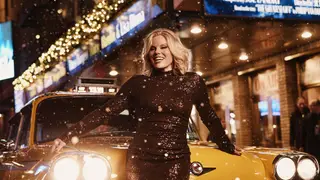
Megan Hilty and Andrew Rannells star in It’s a Wonderful Life: A Live Radio Play, a Broadway adaptation of the beloved holiday film performed as a live radio broadcast. Hilty, playing Mary Bailey, described the experience as a Christmas gift, while Rannells’ portrayal of George Bailey moved her to tears nightly. The production, featuring Tituss Burgess and Harry Hamlin, invites audiences to imagine Bedford Falls through voice and imagination.
On November 24, 2026, Broadway’s It’s a Wonderful Life: A Live Radio Play opened at a New York theater, bringing the beloved 1946 film to life through the unique format of a live radio broadcast. Megan Hilty stars as Mary Bailey, with Andrew Rannells portraying George Bailey, alongside Tituss Burgess, Harry Hamlin, and Lisa Rinna. The production, adapted for the stage by Joe Landry, transforms the classic holiday tale into a performance where actors use only voice and sound effects to evoke the town of Bedford Falls, inviting audiences to imagine the setting through auditory storytelling. Hilty described the experience as a “Christmas gift,” highlighting her deep personal connection to the story, which she revisits annually. Rannells’ emotionally resonant portrayal of George’s journey—particularly his realization that true success lies in the impact one has on others—moved Hilty to tears every night, underscoring the production’s emotional power.
The decision to stage the play as a live radio broadcast reflects a deliberate artistic choice to emphasize imagination and narrative craftsmanship over spectacle, aligning with a broader trend in theater to innovate within classic material. This format, previously seen in productions like The 24 Hour Plays, has been adapted here to honor the original film’s themes of community, sacrifice, and redemption. The creative team, including director Joe Landry, sought to preserve the film’s heart while offering a fresh theatrical experience. The cast, known for their work in musical theater and television, brings star power and emotional depth, with Hilty and Rannells drawing on their histories in Broadway musicals—Hilty from Wicked and Smash, Rannells from The Book of Mormon and Girls. Their performances suggest a desire to connect audiences with timeless values through intimate, live storytelling. What remains unresolved is how long the production will run and whether it will tour beyond New York, though its success could influence future adaptations of film classics in non-traditional formats.
The revival of It’s a Wonderful Life as a live radio play could reinforce the cultural relevance of classic narratives in an era of digital overload, reminding audiences of the power of imagination and shared experience. By stripping away visual spectacle, the production may deepen emotional engagement, particularly during the holiday season when audiences seek meaning and connection. This approach may inspire other theaters to experiment with immersive, low-tech formats, potentially reshaping how classic stories are adapted for live performance. A comparable precedent is the 2013 live broadcast of The Sound of Music on NBC, which, despite mixed reviews, demonstrated that live musicals can draw massive audiences and spark renewed interest in older works. This production may similarly influence streaming platforms or broadcast networks to explore live stage adaptations. The success of Hilty and Rannells—both known for their broad appeal—could also impact casting trends in holiday-themed theater, favoring performers with strong vocal and emotional range. What to watch for next is whether this format gains traction in regional theaters or becomes a seasonal tradition, possibly affecting ticket pricing, audience demographics, and the broader landscape of live entertainment.