South Korea seeks charges against seven officials over false statements on Jeju Air crash structure
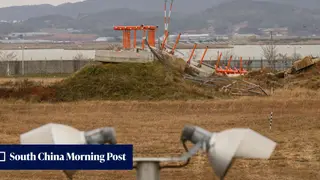
South Korean police have referred seven transport ministry officials to prosecutors for allegedly falsifying documents about the concrete structure involved in the 2024 Jeju Air crash. The officials reportedly issued false statements claiming the localiser antennas were installed according to regulations. The crash, which killed 179 people, has been partly blamed on the structure's design.
The December 2024 crash at Muan International Airport involved a Jeju Air Boeing 737-800 that belly-landed after its landing gear failed to deploy, then struck a concrete embankment housing the localiser antennas. Investigators found bird-strike residue in both engines, while the flight data and cockpit voice recorders stopped functioning roughly four minutes before impact. The death toll stood at 179, with only two survivors pulled from the wreckage.
Police have now accused seven transport ministry officials of knowingly issuing public statements that the localiser installation met all domestic and international standards, despite evidence suggesting otherwise. The case has been forwarded to prosecutors, who will decide whether to pursue charges of falsifying official documents—an offence carrying up to seven years in prison. The ministry declined to comment, and police previously raided ministry offices as part of the probe.
This case could deepen public skepticism about government oversight of aviation infrastructure, especially among families of the victims who may feel official accounts were misleading. If prosecutions proceed, it may pressure regulators to adopt stricter transparency and accountability measures, potentially influencing how similar accidents are investigated across the region. The outcome could also affect trust in South Korea’s transport safety agencies, with broader implications for international confidence in the country’s aviation standards.