White House Turns to Economic Warfare After Iran Military Stalemate
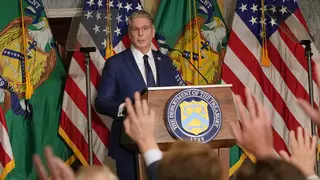
The Trump administration, after failing to achieve its goals through military and diplomatic channels, has launched a new campaign of sanctions and a naval blockade against Iran. Treasury Secretary Scott Bessent called it the largest coordinated economic isolation in history, while Iran and China dismissed the threats as ineffective. The strategy appears aimed at forcing regime change through economic pressure rather than direct confrontation.
The administration’s shift follows 181 days of failed military and diplomatic pressure, including a 38-day campaign and a collapsed ceasefire. Sanctions now target Iran’s economy, backed by a naval blockade of the Strait of Hormuz, a key oil chokepoint. Treasury Secretary Bessent framed the effort as a global ultimatum, while Iran’s foreign minister and China dismissed it as counterproductive. The White House has struggled to identify reliable negotiating partners within Iran’s fractured leadership, having approached parliament, the foreign ministry, and even IRGC commanders without success. The stated goal remains regime change, originally pursued through military strikes and now through economic strangulation.
This escalation could deepen global economic instability, particularly oil prices and shipping through the Strait of Hormuz, affecting consumers and businesses worldwide. It may also harden Iran’s internal resolve, as past sanctions have often unified the regime’s base rather than triggering popular uprising. The ultimatum to allies and rivals risks straining diplomatic relationships, potentially isolating Washington further. While the strategy aims to force a political shift, its long-term impact on regional security and humanitarian conditions in Iran remains uncertain, with civilian populations likely bearing the heaviest burden.