Himalayan ice avalanche suspected in deadly Nepal-Tibet flood
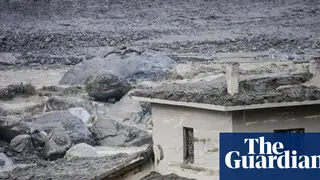
A massive ice and rock avalanche from a Himalayan glacier is believed to have caused flash floods along the Nepal-Tibet border on Wednesday, killing hundreds and leaving over 1,000 missing. Water levels in the Trishuli river rose by up to nine metres in half an hour, according to regional experts. The disaster has raised questions about the role of climate change in glacial instability.
The USGS determined that what initially appeared to be a magnitude 4.4 earthquake was actually a glacial collapse registering at 5.2 on the Richter scale. Satellite imagery revealed a 0.2 square kilometre ice mass detached from a glacier at roughly 5,200 metres elevation and fell about 1,200 metres to the valley floor below.
The Lhende Khola tributary has now flooded twice within 14 months, according to regional experts. Satellite data showed significant snowmelt in the 24 hours preceding the event, suggesting warm temperatures may have contributed to instability. Researchers also noted that construction activity in the region could have played a role in weakening the landscape.
This disaster could affect hundreds of families across multiple nations, given the large number of foreign nationals reported missing. It may also heighten scrutiny of infrastructure projects in mountainous regions and accelerate concerns about glacial instability driven by warming temperatures. Downstream communities in Nepal and Tibet may face ongoing vulnerability, as similar events could become more frequent if high-altitude environments continue to warm.