Massive flooding displaces nearly one million in Bihar as major rivers surge past critical thresholds
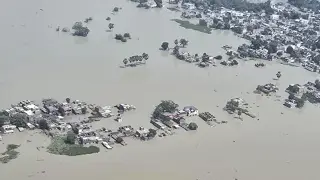
Late September flooding in six Bihar districts has impacted approximately one million people across 169 communities, with three major rivers—the Gandak, Ganga, and Kosi—still flowing significantly above danger levels as of early October. Water inflow from Nepal during this episode reached record levels, with multiple monitoring stations reporting elevated river heights across the region. State authorities have established relief camps providing emergency support while continuing to monitor embankment conditions and river levels for potential additional flooding risks.
The flooding struck six districts across Bihar's northern reaches, with three major river systems—the Gandak, Ganga, and Kosi—all breaching safe thresholds simultaneously. Water contributions flowing southward from Nepal reached unprecedented volumes during this late-September surge, overwhelming monitoring stations throughout the region. By early October, while some gauging points showed receding levels, multiple critical stations remained dangerously elevated.
State authorities deployed emergency response infrastructure across affected communities, establishing aid distribution centers equipped with food preparation facilities, medical services, and temporary shelter. Government directives emphasized sustained operations until displaced residents could safely return, alongside continued embankment surveillance and erosion assessment to guard against further deterioration.
Nearly one million individuals across 169 rural communities face immediate challenges accessing basic services, livelihood activities, and safe housing following the displacement. Agricultural lands likely experienced significant crop damage and soil degradation, potentially affecting food security and economic conditions for months ahead. Continued above-threshold river levels may prolong recovery timelines, while infrastructure damage to embankments could increase vulnerability to future flooding episodes in this geographically repetitive flood zone.