Himalayan flood relief efforts ramp up as lake overflow risk grows
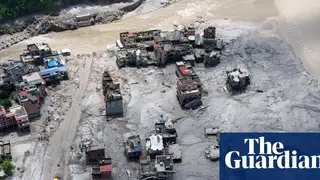
At least 359 people have died and over 1,300 remain missing after flash floods struck Nepal and Tibet. Rescue teams are struggling to reach isolated areas due to destroyed roads and bridges. Authorities warn that a newly formed lake at the disaster site is rising and could burst, prompting urgent international aid efforts.
Rescue operations remain severely hampered by the destruction of roughly 25 miles of roads and dozens of bridges across the mountainous border region, forcing heavy reliance on helicopters for evacuations. Over 100 survivors have been airlifted to safety, while injured victims are being transported to Kathmandu for treatment. The UN has released $2 million in emergency funds for medical care, shelter, and water supplies.
Authorities are closely monitoring a barrier lake formed at the confluence of the Tsogyal and Purupqiangzangbu rivers, which is overflowing and could burst, threatening further devastation downstream. Satellite imagery confirms the scale of destruction, with bodies reportedly recovered hundreds of miles from the disaster zone. The flood struck with such force that witnesses described being crushed by debris and unable to escape the sudden wall of water.
This disaster may reshape how mountain communities and governments assess flood risks from glacial and barrier lakes, which are becoming more volatile with changing climate patterns. The high number of missing foreign tourists could strain international relations and affect regional trekking economies that depend on visitor confidence. Survivors face prolonged displacement and psychological trauma, while infrastructure losses may disrupt hydropower generation and local livelihoods for years. The international aid response could set precedents for cross-border disaster cooperation between Nepal and China.