Atlantic Storm Dolly Forms, Stirring Unlikely Coincidence
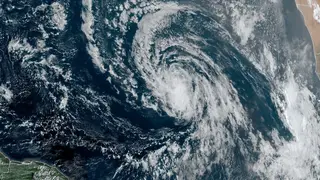
A tropical storm named Dolly formed in the Atlantic on August 27, two days after singer Dolly Parton's death. The National Hurricane Center noted the name's use was coincidental. The storm's formation comes during a quiet season influenced by a strong El Nino.
The name "Dolly" has a long history in Atlantic storm nomenclature, appearing on official lists since 1953, the year the National Hurricane Center first adopted name-based tracking. At that time, Dolly Parton was just seven years old, and the lists used exclusively female names until 1979, when male names were introduced. The name was later retired from rotation, then reinstated in 1990 and first assigned to an actual storm in 1996.
This year's unusually strong El Niño has suppressed tropical activity across the Atlantic, keeping the 2026 storm list at an early alphabetical stage. That quiet stretch allowed the name Dolly to surface at this particular moment. Forecasters expect the storm to weaken from wind shear before reaching the Leeward Islands, making its impact minimal despite the notable timing.
The coincidence may briefly amplify public attention to hurricane naming conventions, potentially prompting casual observers to wonder how storm names are chosen. For those grieving Parton's passing, the storm's appearance could serve as an unexpected cultural touchpoint, though its negligible forecast impact means no practical disruption is likely. The National Hurricane Center's unusual acknowledgment of the timing suggests forecasters recognize the public's emotional connection to the name, which may foster greater engagement with storm tracking during an otherwise quiet season.