Isaias Becomes Latest First Atlantic Hurricane on Record
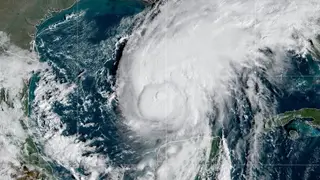
Hurricane Isaias became the Atlantic season's first hurricane on October 8, the latest such arrival since satellite tracking began. The Category 1 storm was off the U.S. Gulf Coast with 80-mph winds and was forecast to strengthen before landfall. A strong El Niño contributed to an unusually quiet season, and Isaias beat the previous record by 27 days.
Meteorologists classified Isaias as a hurricane early on October 8, 2026, when its sustained winds reached the threshold of 74 mph. It was located roughly 620 kilometers from the U.S. Gulf Coast, with winds near 130 kph, and forecasters expected it to gain strength before reaching land late Friday or early Saturday.
The season had produced no hurricanes from June through September. A powerful El Niño in the central Pacific suppressed activity by increasing wind shear across the deep tropics, leaving the Gulf as one of the few areas where a storm could develop. Isaias arrived 27 days later than the previous satellite-era record for a season's first hurricane.
Residents and emergency responders along the Gulf Coast may face dangerous winds, heavy rain, coastal flooding, and possible tornadoes. Warnings cover parts of Mississippi, Alabama, and Florida, while surge risk extends from Louisiana to the Florida Panhandle. A late-season storm could disrupt travel, power, property, and local economies, though preparedness efforts may reduce harm. Scientists may also study the event to better understand El Niño’s influence on Atlantic hurricane timing.