Rescuers stand down in Tibet amid lake burst fears; Nepal toll hits 469
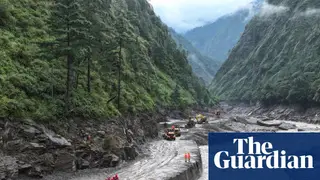
Chinese authorities have suspended rescue operations at the epicentre of the Tibet floods after a debris-formed lake began overflowing toward the search area. The overall death toll in Nepal has reached 469, with more than 1,300 people still missing, including hundreds of foreign tourists. Emergency teams were ordered to withdraw one kilometre from the danger zone as the lake threatens to burst.
Rescue teams in Tibet were pulled back roughly one kilometer from the flood epicenter after a debris-formed lake began spilling toward their search zone, according to state broadcaster CCTV. The pause follows a landslide-triggered mud wall that struck Gyirong on Wednesday, wiping out villages and severing bridges and roads across the Himalayan border region.
On the Nepal side, army helicopters worked Friday to reach about 100 people trapped in a hydropower tunnel, though entry points were hard to locate. Officials confirmed 350 workers and locals had already been extracted from that site. Missing counts remain fluid: Nepal lists 826 missing, including over 500 foreigners, while Chinese state media report at least 558 missing on the Tibet side, with 260 foreign nationals among them.
This disaster could reshape how mountain nations and aid agencies prepare for climate-driven flash floods, especially in remote, politically sensitive zones. The halt in Tibet rescues highlights how secondary hazards—like unstable lakes—may prolong emergencies and complicate cross-border coordination. Hundreds of missing tourists could strain diplomatic relations and travel advisories, while infrastructure loss may isolate communities for months, affecting livelihoods and reconstruction priorities.