India Sees Few Gains as China Dominates SCO Ahead of Summit
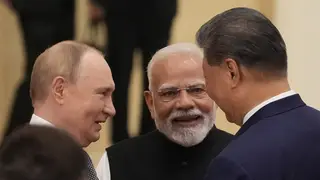
India's Prime Minister Modi's prominent handshake with Xi Jinping and Vladimir Putin at last year's SCO summit drew global attention amid US pressure on India. The SCO's upcoming 25th jubilee summit in Kyrgyzstan will focus on stability and integration, but India remains wary of China's growing influence in the forum. New Delhi plans to use the summit for bilateral diplomatic opportunities despite the organization's limited benefits.
India joined the SCO as a full member in 2017 after years of seeking admission, yet the forum has steadily become a vehicle for Beijing's regional agenda rather than a balanced multilateral body. New Delhi now views the organization as a useful venue for informal bilateral encounters—particularly with Xi Jinping—amid persistent structural friction along the Himalayan border, even as its substantive value for Indian policy goals diminishes.
The upcoming Kyrgyzstan summit marks the SCO's 25th anniversary, with agenda items centered on stability, connectivity, and digitalization. For India, the gathering offers rare face-to-face access to a broad range of inner Asian leaders, a diplomatic asset it intends to exploit despite wariness over China's outsized influence within the grouping.
The SCO's trajectory may affect how smaller and middle powers in Asia perceive multilateral institutions dominated by a single state. India's continued participation, despite limited gains, could signal to other nations that strategic access and bilateral sideline meetings outweigh institutional drawbacks. This dynamic may also influence regional perceptions of China's leadership style, potentially shaping how other countries approach their own engagements with Beijing-led forums.