New method transforms stubborn PVC plastic into engine oil component
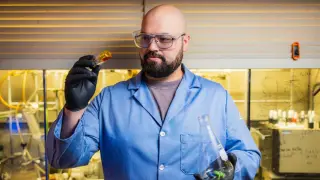
Virginia Tech chemists developed a method to convert PVC plastic into polyalphaolefin, a key ingredient in engine oil and other lubricants. The process could reduce PVC waste in landfills while offering a more sustainable source of industrial lubricants. The work was published in Nature.
The conversion process places PVC in a solvent with aluminum trichloride and alpha olefins, then heats the mixture to 158 degrees Fahrenheit for three hours. The resulting thick oil functions as a lubricant. The team's earlier work, published in Science and Nature Sustainability, had already demonstrated methods for turning other plastic waste into surfactants used in soaps and detergents.
Graduate student Eric Munyaneza Nuwayo led the project, with contributions from Connor S. Thompson and first-year student Abby Civiello. The PVC used resembles material found in plumbing, window structures, and credit cards. The findings appeared in Nature on Aug. 5.
This method could reduce the substantial PVC waste currently sent to landfills while offering lubricant manufacturers a more sustainable feedstock. Industries relying on engine oil for vehicles and machinery may benefit from a steadier, greener supply chain. However, scaling the process from laboratory to industrial use remains uncertain, and the economic viability of collecting and processing PVC waste at scale is unproven.