Nevada files lawsuit against federal Colorado River plan, citing threat to Las Vegas water
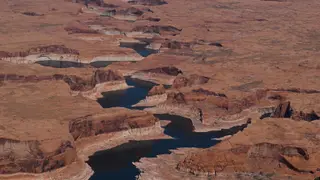
Nevada has become the first state to sue the federal government over its new Colorado River management plan. The state argues the plan could cut Las Vegas's water supply by two-thirds. The lawsuit follows failed negotiations among seven states and the Interior Department's imposition of its own plan.
Nevada's legal challenge marks an unexpected turn in Colorado River politics, as the state had cultivated a reputation as a mediator between upstream and downstream interests. Its conservation achievements—a 58 percent drop in per capita water use over two decades through recycling facilities and turf restrictions—had positioned it as a model for urban efficiency. The lawsuit targets the Interior Department's post-negotiation plan, which takes effect after current management rules expire in October.
The state's worst-case scenario of a 71 percent supply reduction hinges on reservoir declines and the expiration of a tri-state agreement with Arizona and California in 2028. Without a renewed pact, federal cuts would follow preexisting water-rights hierarchies. The plan emerged from a NEPA review process, which Nevada claims failed to weigh alternatives to its disproportionate burden.
This lawsuit could reshape how western states contest federal water authority, potentially setting precedent for future challenges. Las Vegas residents and businesses—representing two-thirds of Nevada's population—may face significant supply restrictions if the worst-case scenario materializes. The case could also strain interstate cooperation, as Arizona and California watch closely how federal cut allocations are legally tested. Broader implications may extend to other drought-stressed regions, where federal management plans increasingly supersede failed state negotiations.