Tax code changes could boost urban redevelopment, opinion argues
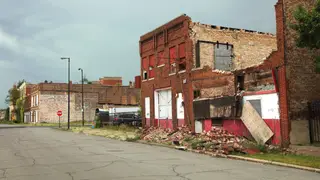
An opinion piece contends that current federal tax rules penalize the demolition of obsolete buildings, hindering urban revitalization. It cites Gary, Indiana's plan to remove thousands of vacant properties as an example. The author calls for tax policy that supports preservation, adaptation, and removal of structures.
Gary, Indiana's planned demolition of roughly 7,000 deteriorated properties, including the former Gordon's Department Store, represents an $80 million municipal effort. The city has lost over half its population since 1960, leaving extensive vacant infrastructure that blocks new investment.
The article highlights Section 280B of the tax code, which prevents owners from deducting demolition costs or claiming remaining building value as losses. Instead, these amounts attach to non-depreciable land. The piece also references the Historic Tax Credit Growth and Opportunity Act, bipartisan legislation aimed at strengthening rehabilitation incentives for older structures.
This tax policy debate could affect property owners, developers, and older cities struggling with vacant buildings. If Congress adjusts demolition cost treatment, private investment in cleared sites may increase, potentially extending public funds for urban renewal. However, safeguards would be needed to prevent speculative land banking. Historic preservation groups and development interests could both see shifts in project feasibility, influencing how communities balance preservation against redevelopment needs.