NASA's Roman telescope aims to unlock secrets of dark matter and energy
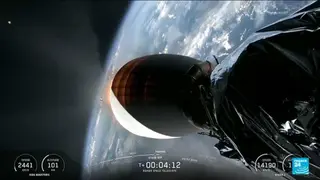
NASA successfully launched the Nancy Grace Roman Space Telescope from Kennedy Space Center, reaching orbit ten minutes after liftoff. Scientists describe it as a discovery machine that could address fundamental questions in physics. It is expected to provide new insights into dark matter and dark energy.
The Nancy Grace Roman Space Telescope lifted off successfully from Kennedy Space Center in Florida, achieving orbit approximately ten minutes after launch. Named for the pioneering astronomer who served as NASA's first chief of astronomy, the telescope has been characterized by scientists as a discovery machine with the capacity to investigate some of physics' most enduring questions. Its primary mission targets dark matter and dark energy, two phenomena that together are believed to constitute the vast majority of the universe's mass-energy content yet remain poorly understood.
The launch adds to a busy period in space exploration, as evidenced by the article's related coverage of French astronaut Sophie Adenot's recent spacewalks at the International Space Station and other scientific milestones. The Roman telescope's deployment represents a significant addition to the fleet of space-based observatories, complementing existing instruments while focusing specifically on cosmological questions that have eluded definitive answers.
This telescope may reshape public understanding of the universe's fundamental composition, potentially influencing science education and inspiring renewed interest in astrophysics. Its findings could affect how future research priorities are set, particularly regarding dark matter and dark energy studies. Society may benefit from technological spin-offs and international scientific collaboration, though concrete outcomes remain uncertain. The mission's success could also reinforce the value of large-scale space investment, potentially shaping public and governmental attitudes toward funding similar ambitious projects.