Sony Says Digital Game Purchases Are Licenses, Not Ownership, in Lawsuit Response
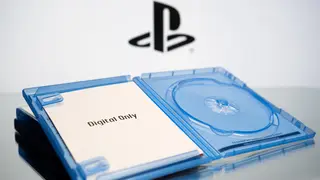
In a court filing, Sony argued that digital game purchases are licenses, not ownership, and that this is clearly disclosed in its terms. The response comes after a class action lawsuit claimed PlayStation doesn't make the licensing nature obvious at checkout. The statement has drawn criticism from players, especially given Sony's plan to end physical disc production in 2028.
Sony's August 21 court filing in California's Northern District Court directly addresses a class-action lawsuit filed June 18, 2026, which claims the PlayStation Store fails to clearly disclose that digital purchases are revocable licenses. The company's defense points to its Software Product License Agreement language stating "The Software is licensed to you, not sold," and argues that reasonable consumers cannot plausibly believe they own digital goods, citing the example of two plaintiffs purchasing the same copy of Resident Evil Requiem weeks apart.
The controversy arrives alongside Sony's announced plan to end physical disc production in January 2028, intensifying player concerns about an all-digital future where access to purchased games could be revoked at any time. Social media backlash has focused on the apparent contradiction between storefront language using "buy" and "purchase" while the underlying terms establish only licensed access.
This dispute could reshape consumer expectations across the entire digital marketplace, not just gaming. If courts side with Sony's licensing interpretation, buyers may face increased uncertainty about long-term access to purchased media, potentially affecting how people value digital versus physical goods. The outcome may also pressure lawmakers to clarify consumer rights in digital transactions, as similar questions could arise for music, film, and software libraries. Players who invest heavily in digital ecosystems could find themselves with fewer protections if platforms change terms or discontinue services.