Decades Later, Conviction in Tupac Shakur's Fatal Shooting
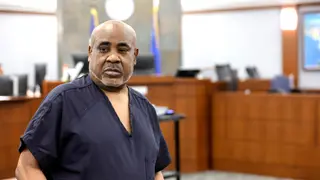
A Las Vegas jury convicted Duane 'Keffe D' Davis on Monday for his role in the 1996 murder of rapper Tupac Shakur. Davis, a former gang leader, was found guilty of orchestrating the drive-by shooting, though he did not fire the fatal shot. The trial featured testimony from over two dozen witnesses and relied on Davis's own admissions in interviews and a memoir.
The conviction stems from a 1996 drive-by shooting that left Shakur dead at age 25, ending a career defined by multiplatinum albums and a bitter feud with East Coast rivals. Davis, a former South Side Compton Crips leader, was arrested in 2023 after decades of public statements and a 2019 memoir detailing his role. Prosecutors leaned heavily on those admissions, while defense attorneys dismissed them as self-promotional fabrications. The trial also revisited the broader gang affiliations of Death Row Records and Bad Boy Records, with Davis alleging a bounty from Sean Combs—a claim Combs has repeatedly denied.
The case drew on testimony from over two dozen witnesses, including police and investigators, though no physical evidence tied Davis directly to the gun. His nephew, Orlando Anderson, who had fought Shakur earlier that night, was identified as the shooter but died in 1998. Davis’s conviction marks the first legal accountability in a murder that had become a cultural touchstone for unsolved celebrity violence.
This verdict may offer a sense of closure to fans and Shakur’s family, who waited nearly three decades for justice. It could also reinforce the credibility of self-incriminating statements in cold cases, prompting other witnesses to come forward. However, the trial’s focus on gang rivalries and hip-hop’s ’90s era may reignite public scrutiny of industry figures, potentially affecting reputations and ongoing legal matters. The broader impact likely centers on how unresolved cultural traumas are revisited when accountability finally arrives.