Teaching Food as Media: A New Curriculum Connects Noodles, Culture, and Ecological Literacy
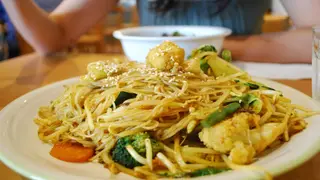
A summer publication from the Media Education Lab explores how food systems can serve as a lens for ecological education and media interpretation. The curriculum review highlights a course that uses noodles as a design motif to help students reflect on their personal and cultural relationships with food. The approach aims to address student anxiety and disconnection by fostering life-centered pedagogy and hope through food-related meaning-making.
The article highlights a summer issue of MediaEd Insights titled "What's for Dinner? Food as an Ecomedia Literacy Inquiry," which examines how food systems can serve as a gateway to ecological education. The curriculum review focuses on a course developed by Emory University professors Christine Ristaino and Hong Li, who incorporated noodles as a recurring design motif to help students examine their personal and cultural food histories.
The professors observed rising depression, anxiety, and food insecurity among students before and during the pandemic, prompting a pedagogical shift. Their life-centered approach uses food as a medium for meaning-making, aiming to foster hope and coping strategies. The course captures students' evolving relationships with food, often rooted in childhood experiences, as a pathway toward engagement and resilience.
This curriculum model could offer a template for educators addressing student mental health through interdisciplinary teaching. By linking food systems to ecological literacy, it may help students develop agency and connection amid climate anxiety. The approach could influence how universities design courses bridging personal experience with environmental concerns, potentially benefiting students who feel disconnected from traditional