Key West's Unmarked African Graves Remain Unhonored After Decades of Inaction
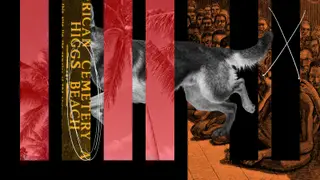
More than 100 unmarked graves at Higgs Beach in Key West hold the remains of Africans who died in 1860 after being rescued from illegal slave ships, yet the site has never been properly memorialized. Despite officials knowing about the graves for over 15 years, efforts to honor the location have stalled amid bureaucratic hurdles and local disputes. The neglect raises broader questions about which histories are remembered and whose lives are deemed worthy of public recognition.
The burial ground dates to 1860, when roughly 295 Africans rescued from illegal slave ships perished shortly after reaching shore, succumbing to yellow fever and dysentery. Only a decorative concrete memorial marks the first 15 graves discovered in 2002; the remaining bodies lie beneath a dog park and an unkempt field.
A state historic marker stands over part of the site, yet bureaucratic disputes between Monroe County and city officials have repeatedly stalled progress. The transfer of Higgs Beach Park ownership from county to city, initiated May 1, has reopened debate about the graves' future, though Florida's new law restricting funding for diversity-related projects may complicate any memorial effort.
This story may resonate beyond Key West, highlighting how bureaucratic inertia and political climates can determine which historical narratives receive public acknowledgment. Communities nationwide could see parallels in their own unmarked or neglected burial sites, prompting questions about racial equity in heritage preservation. The outcome may influence how local governments balance fiscal concerns against moral obligations, potentially setting a precedent for similar sites facing comparable funding restrictions and political pressures.