Himalayan Floods Widen China-India Rift
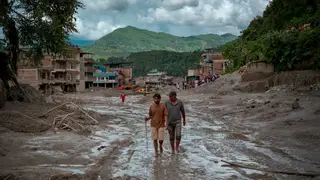
A glacial collapse on the Nepal-Tibet border triggered flash floods that killed over a thousand people and left thousands missing. The disaster has intensified mutual accusations between India and China, with Indian commentators blaming Chinese dam projects, though the cause was on the Nepali side. The incident underscores how climate-related disasters can exacerbate existing territorial disputes.
The flood's epicenter lay on the Nepali side of the border, where a glacial collapse and landslide sent a massive water surge through villages and along pilgrimage routes to Mount Kailash in Tibet. Chinese authorities imposed censorship on coverage of the disaster's impact within Tibet, a standard response following major incidents in the region. The disaster unfolded against a backdrop of unresolved Himalayan territorial claims, including China's assertion over Arunachal Pradesh and India's claim to Aksai Chin, disputes that date to the 1962 war and persist along the Line of Actual Control.
Nepal's government, led by Prime Minister Balendra Shah since March, has sought to maintain nonalignment between its two powerful neighbors. Kathmandu initially declined foreign assistance for rescue operations, drawing domestic criticism, while both China and India dispatched rescue teams in what appears to be a competition to demonstrate goodwill toward Nepal, which faces pressure from both sides to legitimize their territorial claims.
This disaster may deepen mutual distrust between two nuclear-armed neighbors already locked in border disputes, potentially complicating diplomatic channels at a time when climate-related crises are becoming more frequent. Himalayan communities on all sides could face heightened vulnerability as infrastructure projects and disaster response become entangled in geopolitical rivalry. The incident may also shape public opinion in India and China, where nationalist media coverage could harden positions and reduce room for cooperative disaster management in the region.