Glacier Collapse Devastates Nepali Villages
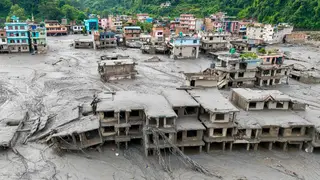
A glacier collapse in the Himalayas sent a torrent of water and debris down the Trishuli River, killing many and leaving others missing, including the family of a sand miner who survived. The flood hit within 30 minutes, with no warning. The disaster highlights the growing risks of climate change in the region.
The Aug. 26 flood struck three Nepali districts—Rasuwa, Dhading, and Nuwakot—after a glacier section collapsed near the Nepal-Tibet border, roughly 45 miles from the affected villages. The resulting surge of water, sediment, and boulders reached downstream communities in about half an hour, catching residents entirely off guard. Official figures show more than 1,000 deaths and nearly 4,000 missing, including roughly 600 foreign nationals, many believed to be pilgrims traveling to Tibet's Mount Kailash. A February study cited in the report found temperatures in the collapse zone have risen 4.7 degrees Fahrenheit since 1940—double the global average warming rate—reflecting how carbon emissions have destabilized Himalayan glaciers over decades.
This disaster could reshape how Himalayan nations approach disaster preparedness, as the absence of warning systems proved fatal. Communities dependent on river resources, like sand miners, may face heightened vulnerability as glacial instability grows. The high number of missing foreign pilgrims could strain international relations and tourism-dependent economies. Regionally, this event may intensify pressure on wealthier emitting nations to fund climate adaptation, while Nepal and neighboring low-income countries bear mounting costs from a crisis they did little to cause.