Congress Delays Key Legislation to Post-Election Session
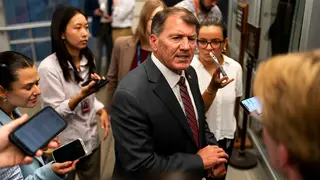
Lawmakers have postponed major decisions on government funding, Iran war appropriations, and surveillance reauthorization until after the November elections. The House passed a stopgap spending bill that funds the government through December 11, setting up a contentious lame-duck period. Senate Democrats have blocked spending bills due to disputes over the ratio of defense to nondefense increases.
The stopgap measure approved by the House keeps federal operations running only until mid-December, compressing a heavy workload into roughly six weeks of session time. Among the unresolved items are the annual defense authorization bill, stalled since July, and surveillance powers under FISA that lapsed in June. The farm bill also remains stuck after a committee markup failed in August.
Senate Republicans are weighing a two-track approach: an omnibus spending package paired with emergency Pentagon and disaster funding, plus a separate reconciliation bill carrying Iran war money and election-related incentives. Democrats have objected to the proposed 4.5-to-1 ratio favoring defense over domestic programs, and the administration's $1.5 trillion defense request has been called a nonstarter by the minority.
The compressed lame-duck calendar could force rushed decisions on issues with direct public consequences, including military funding, surveillance authority, and disaster relief. If